Learning from Metropolitan Areas: lessons from SANTANDER

Author: Dr Maryna Gorobei
Smart City Project Manager, Urban Technology Alliance (UTA), MICAD partner
Santander, located on the northern coast of Spain, is the capital of the Cantabria region and has approximately 175.000 inhabitants. The city has traditionally been characterised by a service-oriented economy but has gradually repositioned itself as a hub for innovation and knowledge-driven development.
Over the past decade, Santander has become internationally recognised as one of the pioneering European cities in the development of the smart city paradigm. Through active participation in numerous European research projects, the city has developed a strong ecosystem for large-scale experimentation with digital technologies in real urban environments. Santander is also a member of the Urban Technology Alliance, contributing to international collaboration on smart city development.
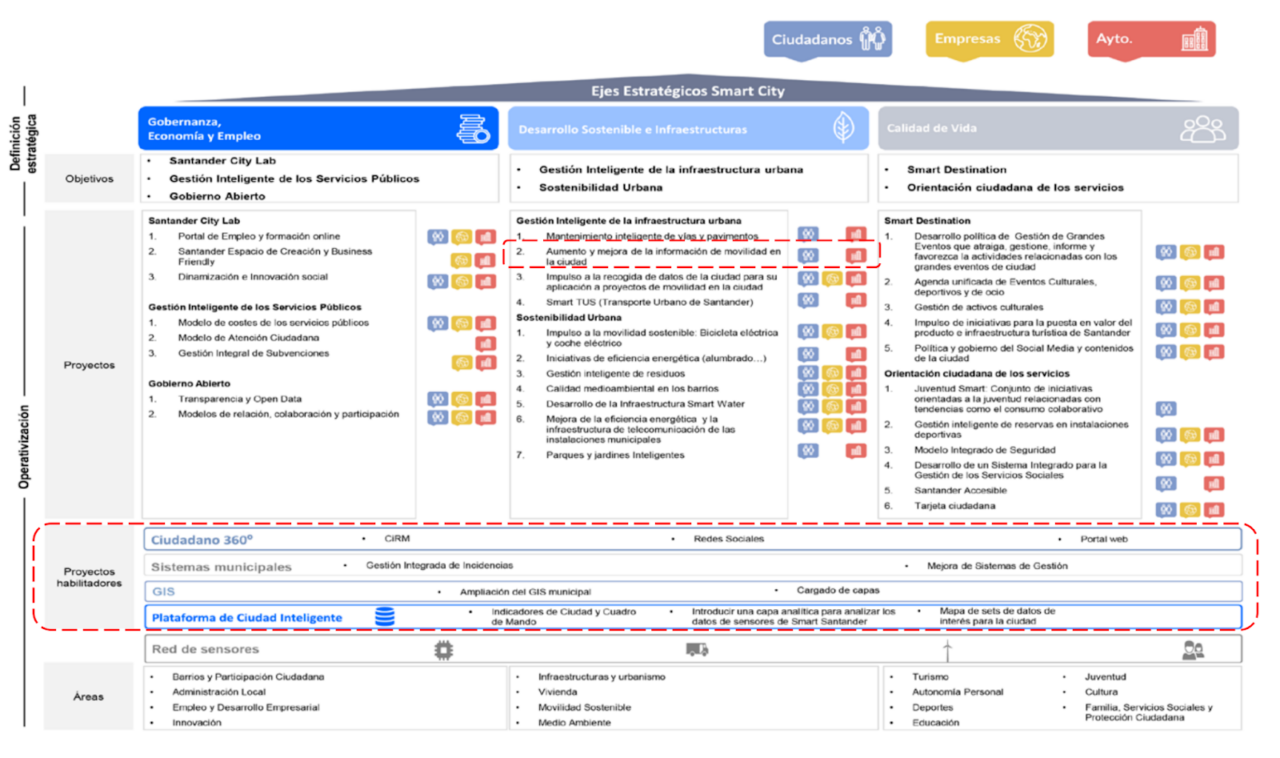
A key element of Santander’s success lies in the continuity of its strategic planning. The city has progressively developed several strategic plans focused on innovation, digital transformation and sustainable urban development. These plans have enabled the municipality to move from isolated pilot initiatives towards a more integrated and holistic approach to city management.
Through its Smart City Strategic Roadmap, Santander has focused on improving urban governance, enhancing public service delivery and integrating digital technologies into municipal operations. The objective is not only technological deployment but the transformation of how urban services are designed, managed and delivered.
A distinctive feature of Santander’s digital transformation strategy is the use of the city itself as a living laboratory for urban innovation. Rather than testing new technologies only in controlled environments, Santander has adopted an approach where the entire city functions as a real-world experimentation space.
Since 2010, the municipality has actively participated in numerous European research projects and has built an extensive network of partnerships involving universities, research institutions and technology companies. Through these collaborations, the city has been able to deploy and test new technologies directly within the urban environment.
This approach has enabled the development of the Santander Urban Laboratory, where digital solutions are designed, tested and validated under real urban conditions. The initiative has brought together more than 364 partners and over 30 European research projects, mobilising approximately €164 million in innovation funding.
By positioning the city as a living lab, Santander has created an environment where technological innovation can be tested at scale while simultaneously involving citizens, researchers and municipal services in the development of new urban solutions.
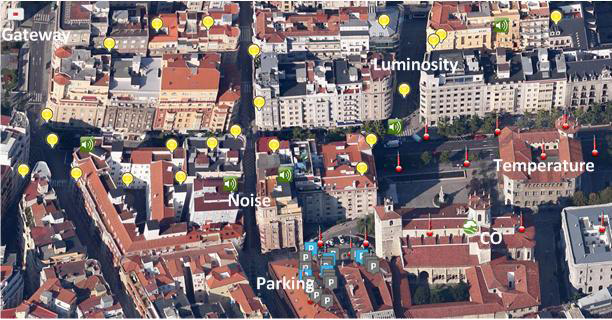
A key element of Santander’s innovation strategy has been the creation of a city-scale experimentation environment, where digital solutions can be tested before large-scale deployment. Through the SmartSantander initiative, the city established an urban testbed integrating approximately 10 000 IoT devices distributed across the metropolitan territory making it one of the largest urban IoT experimentation platforms in Europe.
This infrastructure supports experimentation in several areas of urban management, including:
– environmental sensing systems that monitor air quality and environmental conditions;
– smart water management solutions designed to optimise water distribution and detect leaks;
– intelligent transport and parking systems that improve mobility management;
– mobile sensing technologies integrated into public transport fleets, allowing additional data collection across the city.
The objective of this large-scale experimentation is not the deployment of sensors itself, but the ability to test solutions in real urban conditions before committing to large infrastructure investments. By validating technologies at city scale, Santander reduces technological uncertainty and enables more informed decisions when scaling successful solutions across urban systems.
This approach illustrates how urban experimentation can function as a bridge between innovation pilots and long-term urban infrastructure investments.
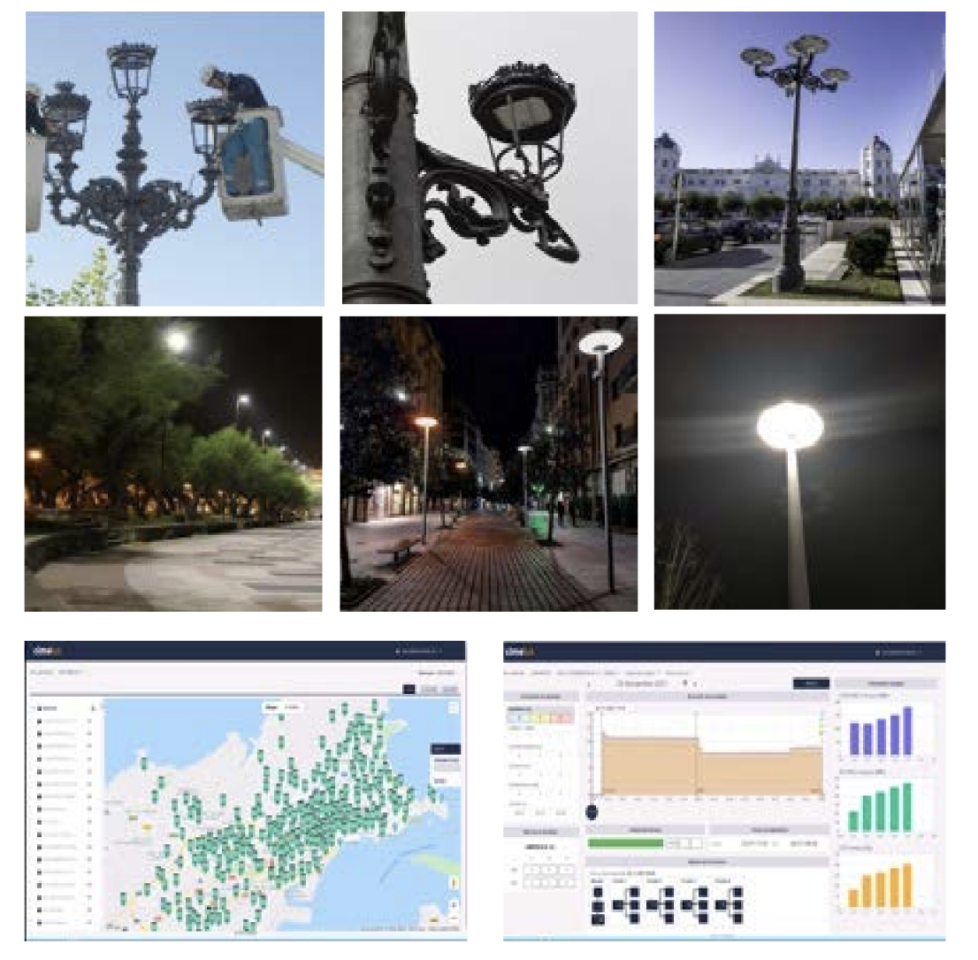
One of the first large-scale digital transformation initiatives implemented by the city of Santander concerns the modernisation of its public lighting infrastructure. Street lighting represents a significant share of municipal energy consumption in many European cities, making it a key sector for improving both energy efficiency and operational performance.
Santander undertook a comprehensive upgrade of its lighting system by replacing traditional luminaires with more than 22,000 LED lighting units, supported by 309 smart lighting control cabinets distributed across the city. These installations are connected to tele-control systems that allow the municipality to monitor and manage lighting infrastructure remotely. Through these digital systems, city operators can adjust lighting intensity, detect failures in real time and optimise maintenance operations.
The results of this transformation have been substantial. The transition to LED lighting and digital management systems has enabled around 80% reduction in energy consumption, while also lowering operational costs and reducing greenhouse gas emissions associated with electricity use. In addition, the new infrastructure has significantly improved maintenance efficiency, reducing maintenance costs by approximately 35%.
Beyond the environmental benefits, the smart lighting system has also improved urban safety and service reliability. By combining energy-efficient infrastructure with digital monitoring and management tools, Santander demonstrates how relatively traditional urban services can be transformed through technological innovation.
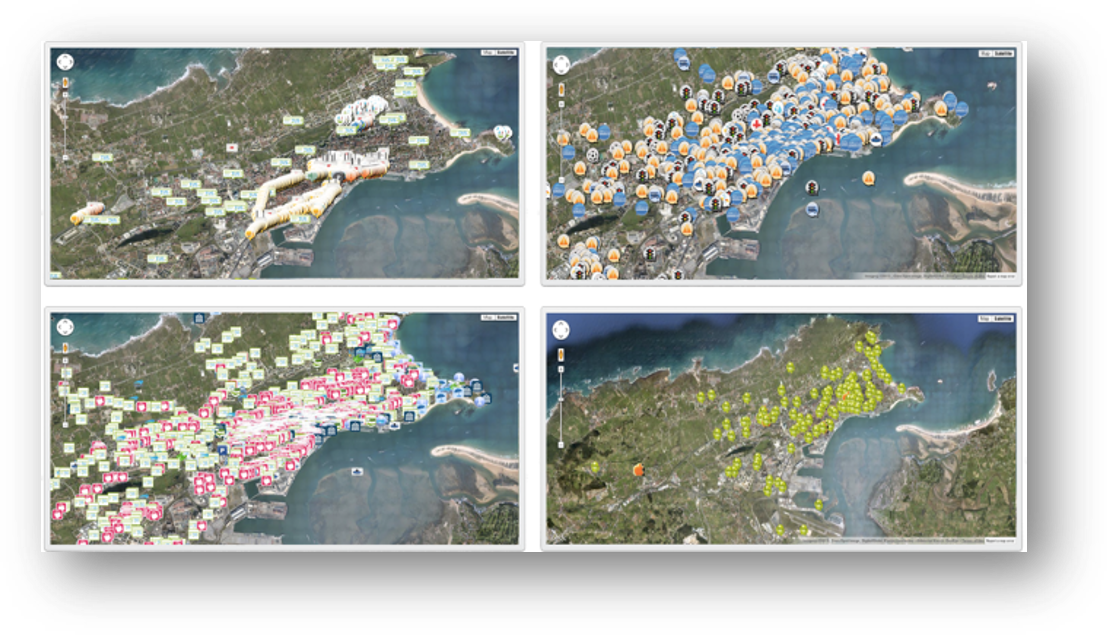
Traffic management represents another key component of Santander’s digital transformation strategy. As urban mobility becomes increasingly complex, cities require more sophisticated tools to monitor traffic flows, manage incidents and optimise the use of existing road infrastructure.
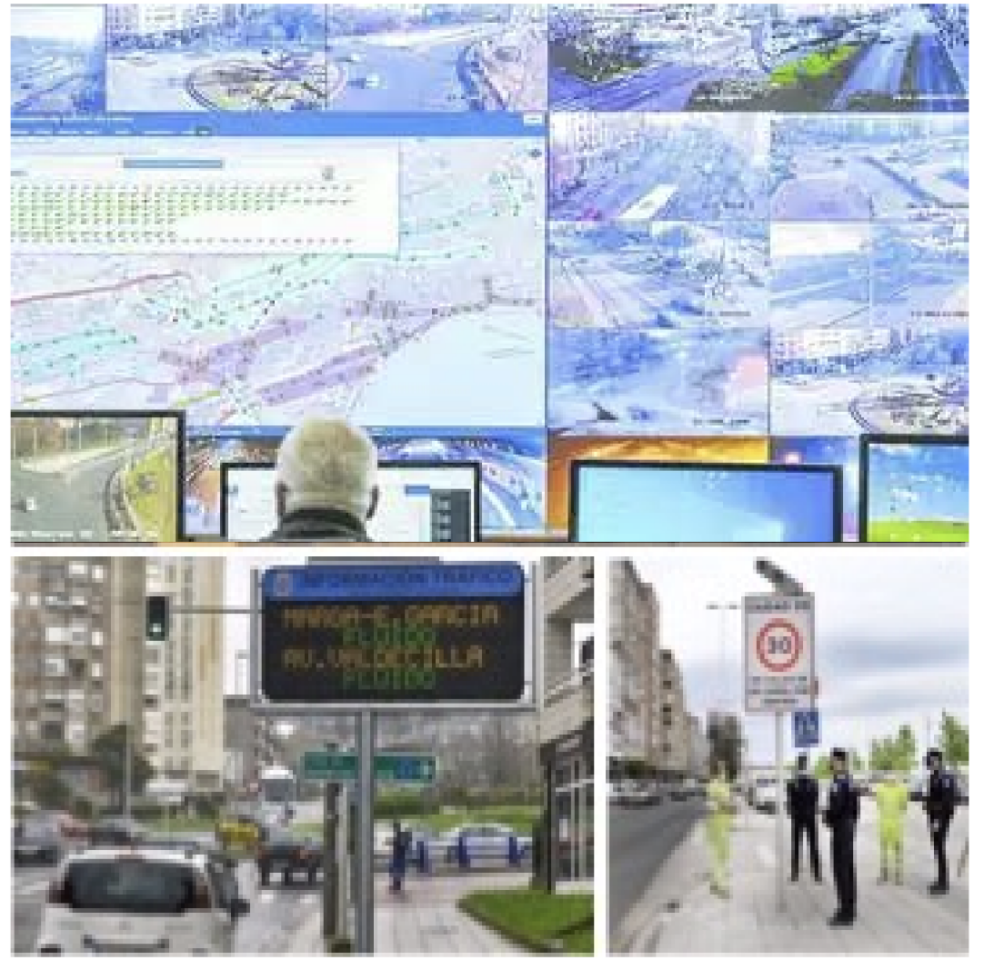
To address these challenges, Santander has deployed a city-wide network of cameras and inductive loop sensors capable of monitoring traffic conditions in real time. These sensors collect data on vehicle flows, congestion patterns and traffic density across different parts of the city. The information is transmitted to a centralised traffic control centre, where digital platforms allow operators to manage the road network and coordinate traffic signals.
Through these systems, city authorities can respond quickly to disruptions, adjust traffic light cycles, manage incidents and coordinate roadworks scheduling. The platform also supports the management of tunnels and other critical elements of urban transport infrastructure.
By integrating real-time monitoring with centralised traffic management, Santander has been able to improve traffic flow efficiency while reducing congestion and travel delays. At the same time, the system enables better communication with citizens through digital information channels that provide updates on traffic conditions and disruptions.
This data-driven approach to traffic management illustrates how digital technologies can significantly enhance the capacity of city authorities to manage urban mobility systems in a more responsive and adaptive manner.
Parking management is another area where Santander has successfully implemented digital technologies to improve both operational efficiency and the user experience for residents and visitors.
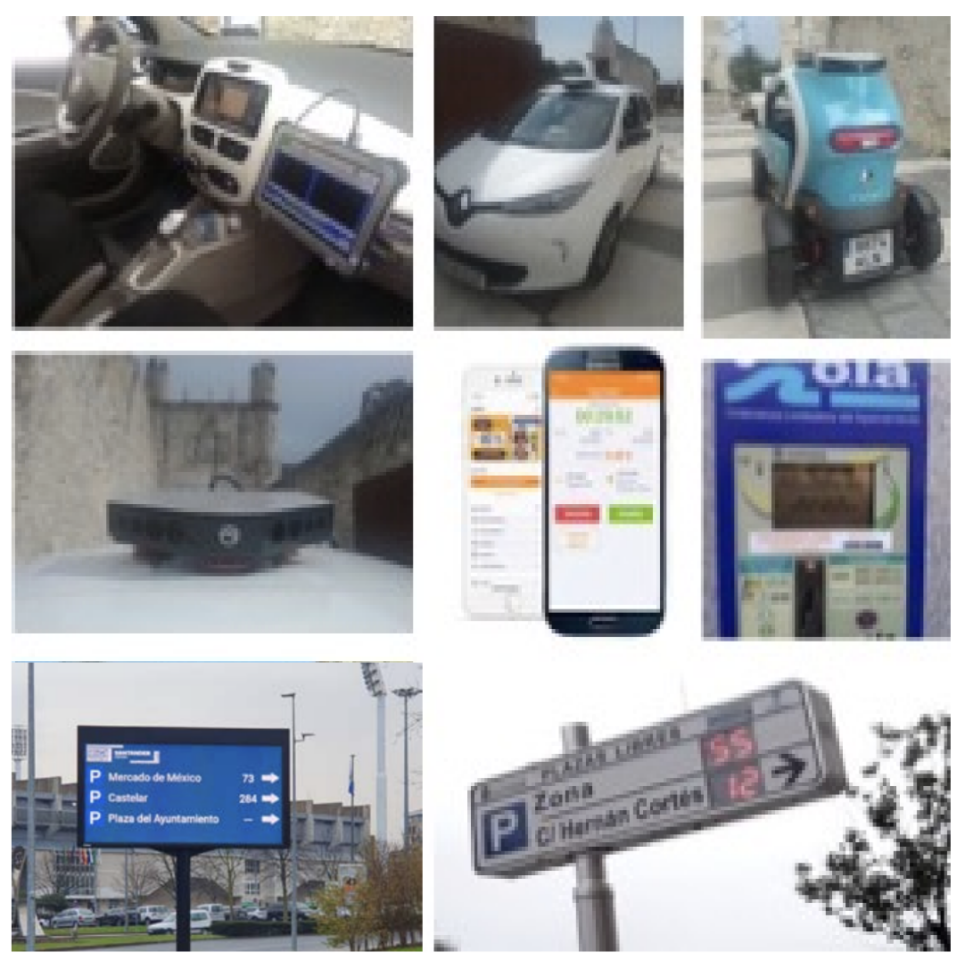
The city has introduced an integrated digital parking management system that combines several functions within a single platform. The system supports parking control, payment processing, compliance monitoring and reporting, allowing city authorities to manage on-street parking more effectively.
Drivers can access parking services through mobile applications, which allow them to pay for parking, extend parking time and receive information about parking tariffs and availability. The system also incorporates automated verification technologies that enable enforcement officers to check vehicle authorisations and parking compliance more efficiently.
In addition to improving user convenience, the digitalisation of parking management contributes to better traffic circulation within the city. By providing clearer information on parking availability and simplifying payment processes, the system helps reduce unnecessary vehicle circulation caused by drivers searching for parking spaces.
Together with smart traffic management and energy-efficient lighting systems, these initiatives demonstrate how Santander has integrated digital technologies into core urban services. Rather than focusing solely on experimental projects, the city has progressively embedded digital innovation into everyday municipal operations, improving efficiency, sustainability and the quality of urban life.
The experience of Santander demonstrates how cities can move from isolated technology pilots to a coherent digital transformation strategy. By transforming the city into a living laboratory for innovation, Santander has been able to test solutions in real urban conditions, validate their effectiveness and gradually integrate successful technologies into everyday municipal services.
The key lesson is that large-scale experimentation reduces uncertainty and allows cities to make more informed decisions before committing to long-term urban investments. Through the combination of strategic planning, real-world testing environments and the progressive integration of digital solutions into core services such as lighting, traffic management and parking, Santander illustrates how technological innovation can be translated into practical improvements in urban governance and service delivery.
For other cities, the Santander model shows that digital transformation is not only about deploying technologies, but about creating the institutional and experimental capacity to test, learn and scale solutions over time.
Be part of a transformative movement towards inclusive climate and digital solutions. Together, we can shape sustainable metropolitan futures.
