Metropolitan City of Milan: how Milan’s Smart Metropolitan Campus sets a digital model for European territories
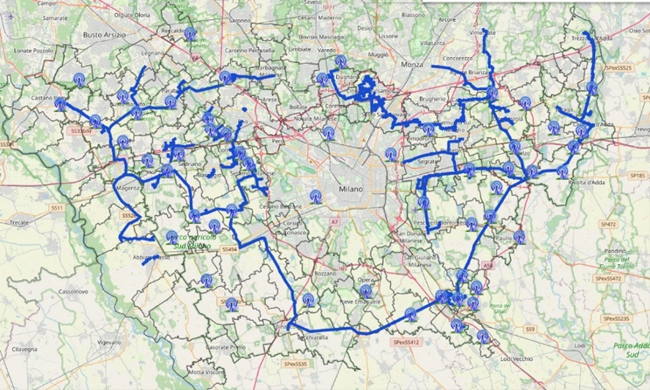

The Metropolitan City of Milan is redefining how public infrastructure can drive innovation through the Smart Metropolitan Campus.
This strategic initiative transforms digital connectivity into a shared resource for institutions, businesses and citizens, spanning over 8,000 kilometres of fibre optics and nearly 60 5G sites and connecting more than 450 public and private institutions.
Indeed, the project links 100 municipalities, 348 schools, and key organizations such as the National Cancer Institute (Fondazione IRCCS Istituto Nazionale dei Tumori), the Carlo Besta Neurological Institute (Fondazione Istituto Neurologico Carlo Besta), the Milan Police Headquarters (Questura di Milano), the Postal and Communications Police (Polizia Postale e delle Comunicazioni), North Milan Park (Parco Nord Milano), AFOL Metropolitan Area (AFOL Metropolitana), and the Province of Monza and Brianza (Provincia di Monza e della Brianza).
This integrated infrastructure transforms the metropolitan area into a dynamic digital platform capable of delivering advanced services, fostering research, and promoting collaboration between the public sector, private organizations, and citizens.
The COVID-19 lockdown exposed the limits of traditional infrastructure and Milan’s response was structural, not temporary. The Smart Metropolitan Campus represents a long-term vision, where technology and community come together to create resilient, inclusive, and adaptive metropolitan services.
Full 5G deployment was achieved without public expenditure, thanks to private operators using public land to install infrastructure. This public–private partnership not only ensured connectivity in less commercially attractive areas — narrowing the digital divide — but also generated over €2 million in additional revenue for the Metropolitan City through strategic asset enhancement.
Deputy Mayor Francesco Vassallo emphasizes:
“The territory is a platform serving citizens and businesses. Public administration must facilitate local value creation while anticipating socio-economic trends. A smart city is about interconnected communities sharing knowledge, services, and opportunities — not just networks and sensors.”
The Smart Metropolitan Campus delivers tangible results.
Sixty 5G sites ensure connectivity even in peripheral areas, eliminating gaps and enabling gigabit mobile performance. A deep neural network laboratory under testing in metropolitan data centers converts traffic and environmental data into predictive models for city planning.
In healthcare, innovative “disordered fibers” allow more compact diagnostic devices, while quantum cybersecurity protects sensitive data across the network, making Milan a safe and advanced digital ecosystem.
The Smart Metropolitan Campus is a scalable example for European administrations.
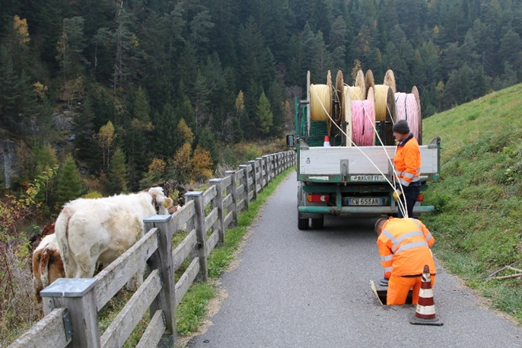
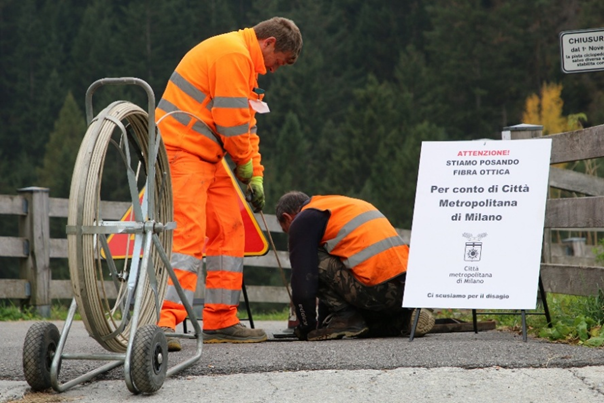
Milan shows that public leadership and private collaboration can co-create value beyond simple infrastructure. The network was expanded by an additional 600 kilometers for the Milano Cortina 2026 Winter Olympics , connecting hospitals, police, and competition venues in Livigno and Bormio.
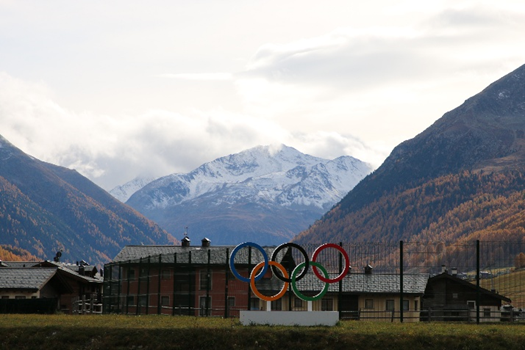
Milan positions itself as a benchmark for digital transformation, illustrating how metropolitan territories can innovate, include, and thrive in the digital age.
The Smart Metropolitan Campus is more than technology: it is a metropolitan strategy for inclusion, innovation, and resilience. By leveraging public assets, private investment, and cross-sector collaboration, Milan demonstrates how a city can transform its infrastructure into a platform for shared value, setting a model for European territories striving for smart, connected, and sustainable futures.
Be part of a transformative movement towards inclusive climate and digital solutions. Together, we can shape sustainable metropolitan futures.
