Tirana Municipality: Leading the Digital Transition through Citizen-Centered Innovation and Sustainable Urban Development
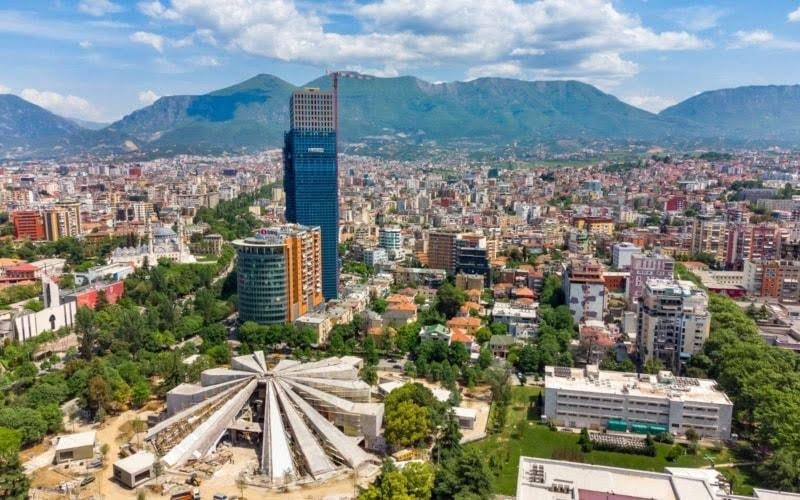

Tirana, the capital and largest city of Albania, is the country’s political, economic, and cultural center. With a population of approximately 500,000 residents and over 900,000 people in its metropolitan area, Tirana has experienced rapid urban growth since the 1990s. This transformation has generated significant opportunities but also created challenges related to urban management, environmental sustainability, mobility, and public service delivery. As a rapidly developing capital in the Western Balkans, Tirana is increasingly embracing digital transformation and smart city solutions to improve quality of life, strengthen climate resilience, and enhance citizen participation in local governance.
Despite facing significant climate, urbanization, and digitalization challenges, Tirana is actively investing in long-term solutions aimed at improving environmental sustainability, urban infrastructure, and digital accessibility. Through smart city initiatives, sustainable urban planning, and the expansion of digital public services, the city is enhancing the quality of life for its residents while strengthening its resilience to future challenges.
These efforts are positioning Tirana as an innovative, inclusive, and forward-looking capital in the Western Balkans.
Through the “Digital Tirana” initiative, the city is advancing digital governance, supporting innovation and entrepreneurship, enhancing citizen participation, and developing digital skills to drive sustainable economic growth and smart urban management.
Tirana faces challenges related to limited smart city infrastructure, cybersecurity needs, and digital literacy gaps, particularly among older and underserved populations, highlighting the need for greater investment in technology and digital skills development.
Tirana is advancing e-governance and the digitalization of public services, transport, and waste management; however, improving accessibility, efficiency, and system integration remains a key challenge.
To enhance urban efficiency and sustainability, Tirana is investing in smart city infrastructure, including real-time monitoring systems, intelligent traffic management, and energy-efficient street lighting. These initiatives support data-driven decision-making, reduce congestion and energy consumption, and contribute to the city’s broader efforts to strengthen climate resilience and preparedness for extreme weather events.
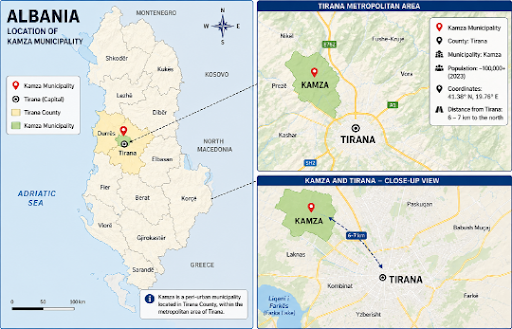
Kamza is one of the fastest-growing peri-urban areas within the Tirana metropolitan region. Its development has been largely driven by internal migration, informal settlements, and rapid urban expansion, resulting in significant pressure on infrastructure and public services. This makes Kamza a critical case for assessing digital inequality, and a strategic entry point for designing inclusive digital policies within the Tirana Digital Roadmap. Kamza is already a city in intensive development. The last 20 years have proven this, especially since 2007 until today Kamza has marked an extraordinary progress. This progress is noticeable in all areas, in the number of population, in infrastructure, in state institutions, education, health, culture, sports, etc. Also, the flourishing of free enterprise, with the tripling of the number of businesses, is an indicator of the vitality of this city, which is developing day by day.
Tirana has successfully implemented a centralized digital registration system for nurseries and kindergartens, which has improved transparency, efficiency, and equal access to early childhood education services. The system has reduced administrative burdens for families, enhanced coordination among institutions, and strengthened data management processes.
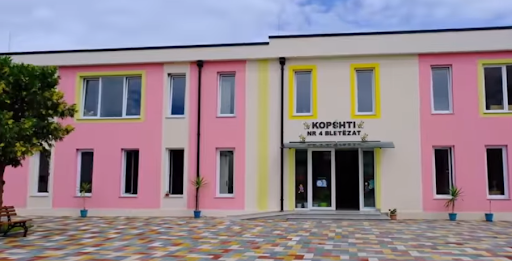
Drawing on this experience, Kamëz aims to adopt a similar digital approach to improve service delivery, ensure equal opportunities for all families, support better coordination of educational services at the metropolitan level, and advance the integration of digital public services within the municipality.
The Challenge – Parents currently encounter several administrative challenges during the registration process for nurseries and kindergartens. Traditional procedures require the physical submission of documents and multiple visits to municipal offices, while limited information on available capacities and delays in communication and verification often create inconvenience and reduce service efficiency.
The Solution – To address these challenges, the Municipality of Kamëz needs to develop an integrated digital platform that enables online child registration, electronic document submission, automated application processing, real-time monitoring of available places, and direct digital communication between parents and municipal services. The platform aims to simplify procedures, improve transparency, and enhance the overall user experience.
Expected Benefits – The implementation of the digital registration system is expected to generate significant benefits for both citizens and the municipality. For parents, it will provide faster and more accessible registration procedures, reduce administrative costs, and increase transparency throughout the application process. For the municipality, the platform will minimize paperwork, improve data collection and reporting, support more effective planning of educational capacities, and enhance overall operational efficiency.
Tirana has significantly expanded its cycling infrastructure, reaching around 52 km of bicycle lanes and setting ambitious targets for further growth. This investment has promoted sustainable urban mobility by reducing traffic congestion, improving air quality, and encouraging healthier and more environmentally friendly modes of transportation.
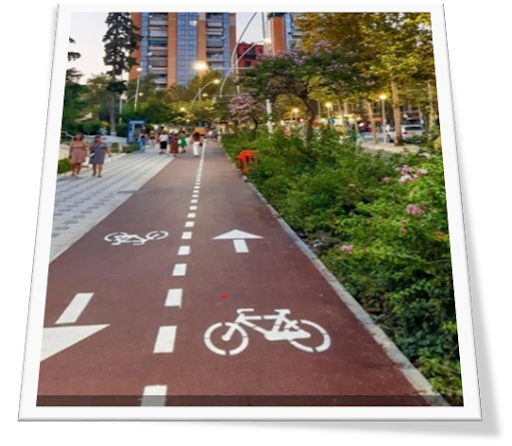
For Kamëz, developing a connected cycling network would enhance mobility between municipalities, provide safer and more sustainable commuting options for residents, support metropolitan transport integration, and contribute to broader environmental and climate objectives.
The Challenge – Kamëz faces increasing traffic congestion, limited sustainable mobility options, and a lack of dedicated cycling infrastructure. Many residents rely heavily on private vehicles or public transport for daily commuting, which contributes to traffic pressure, environmental pollution, and reduced opportunities for active and healthy mobility. In addition, the absence of safe cycling routes limits connectivity between residential areas, schools, public services, and neighboring municipalities.
The Solution – Inspired by Tirana’s experience, Kamëz needs to develop an integrated cycling network that connects key residential, educational, and administrative areas. The initiative includes the construction of dedicated bicycle lanes, the integration of cycling infrastructure into urban planning processes, and the promotion of cycling as a safe, accessible, and environmentally friendly mode of transportation. The network would also support greater connectivity with the wider metropolitan area.
Expected Benefits – The development of a cycling network is expected to improve urban mobility by providing residents with safe and sustainable commuting alternatives. It will contribute to reducing traffic congestion and vehicle emissions, improve air quality, and encourage healthier lifestyles through active transportation. At the municipal level, the initiative will strengthen metropolitan mobility integration, support climate and environmental objectives, and enhance the overall sustainability and attractiveness of Kamëz as a place to live and work.
Tirana demonstrates how digital transformation and sustainable urban development can work together to address the challenges of rapid urban growth, climate change, and increasing demand for public services. Through initiatives such as the Digital Tirana program, the expansion of e-government services, smart city investments, and the development of sustainable mobility infrastructure, the municipality has established a strong foundation for a more efficient, inclusive, and resilient urban future. The experiences of Tirana provide valuable lessons for Kamëz Municipality. The successful implementation of digital kindergarten and nursery registration systems highlights the potential of citizen-centered digital services to improve accessibility, transparency, and administrative efficiency. Likewise, Tirana’s investment in cycling infrastructure demonstrates how sustainable mobility solutions can enhance connectivity, reduce environmental impacts, and improve the quality of urban life. By adapting these practices to its local context, Kamëz has the opportunity to accelerate its own digital and sustainable transition, strengthen metropolitan integration, and deliver more accessible, efficient, and environmentally responsible services for its citizens. Ultimately, the Tirana case illustrates that innovation, digitalization, and citizen-centered governance are key drivers for building smarter, more resilient, and sustainable municipalities across the Western Balkans.
Be part of a transformative movement towards inclusive climate and digital solutions. Together, we can shape sustainable metropolitan futures.
