Addressing Wicked Problems: The MICAD Methodological Framework for Metropolitan Transformation

Author: Spela Zalokar
Senior Project Manager, European Network of Living Labs (ENoLL), MICAD partner
Metropolitan areas are increasingly required to navigate two of the most complex and interconnected societal transformations of our time: the climate transition and the digital transition. These transformations extend far beyond technical adaptation—they involve governance reform, behavioural change, institutional coordination, and long-term strategic planning under conditions of uncertainty. These challenges are understood by the European Network of Living Labs as wicked problems: complex issues characterised by systemic interdependencies, evolving definitions, uncertain outcomes, and the involvement of multiple stakeholders with competing priorities.
Climate transition requires balancing environmental ambitions with economic competitiveness and social inclusion. Digital transition introduces additional tensions related to governance, data sovereignty, technological adoption, accessibility, and equitable participation. In metropolitan contexts, these dimensions become even more challenging due to scale effects, fragmented institutional landscapes, and persistent socio-spatial inequalities.
Against this backdrop, MICAD developed its Methodological Framework as a structured yet adaptable approach to support Metropolitan Authorities (MAs) in designing and implementing integrated climate and digital transition pathways.
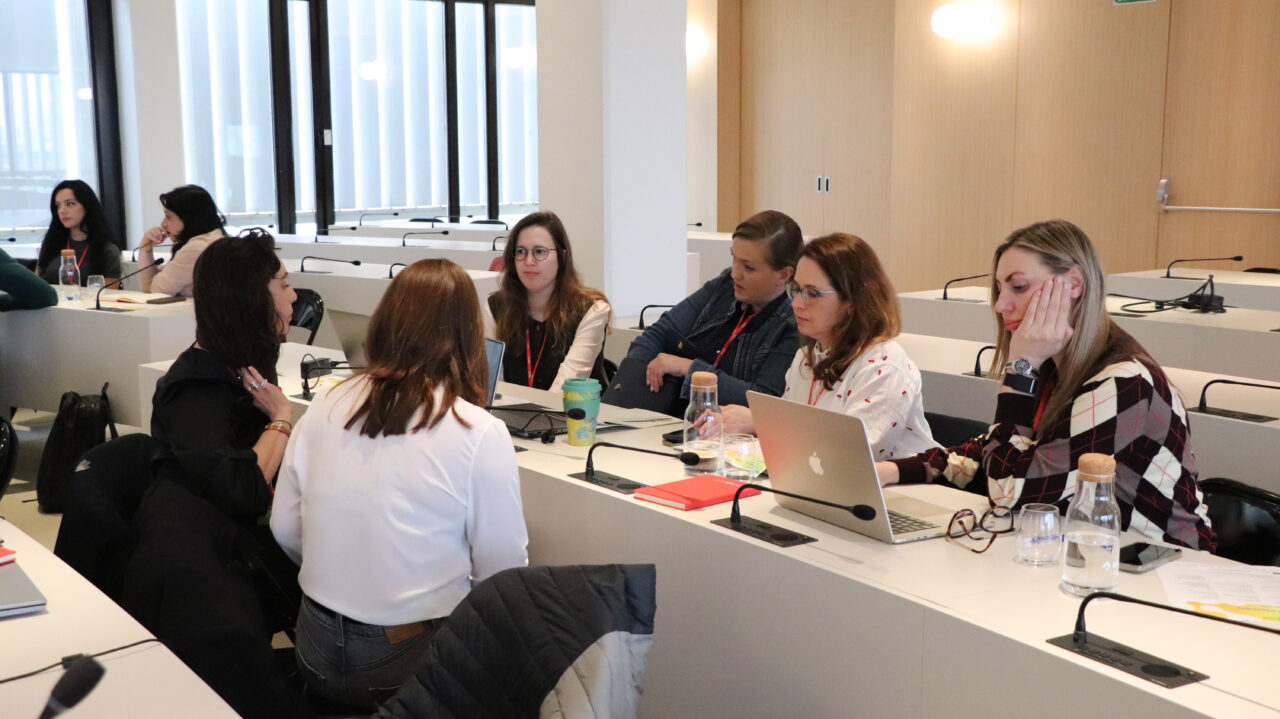
Although methodological frameworks are widely used across research and practice, there is no universally accepted definition or formal guidance on how they should be developed. McMeekin et al. (2020), through an analysis of 30 studies, found that methodological frameworks emerge through multiple pathways, most commonly drawing on existing methods and guidelines and refining them through experience, literature review, data synthesis, iterative development, and expert validation.
Despite these variations, a shared understanding exists: a methodological framework should provide structured and practical guidance that helps users navigate complex processes through sequential stages and informed decision-making.
This understanding aligns with earlier conceptualisations that describe a methodological framework as a set of structured principles and an approach for organising how a given task is performed (Andrade et al., 2009), as well as a sequence of methods—a body of methods, rules, and postulates employed within a particular procedure or set of procedures (Cruz Rivera et al., 2017).
Within MICAD, the Methodological Framework transforms these principles into an operational architecture that supports metropolitan transformation processes.
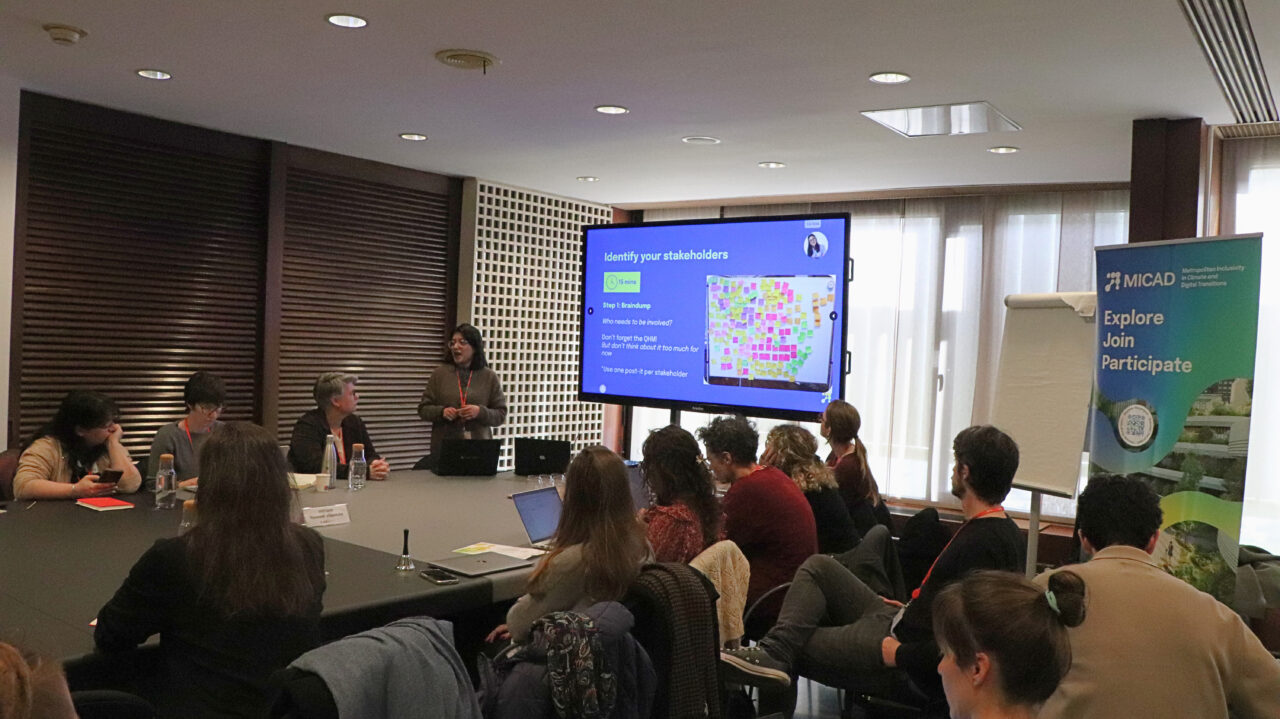
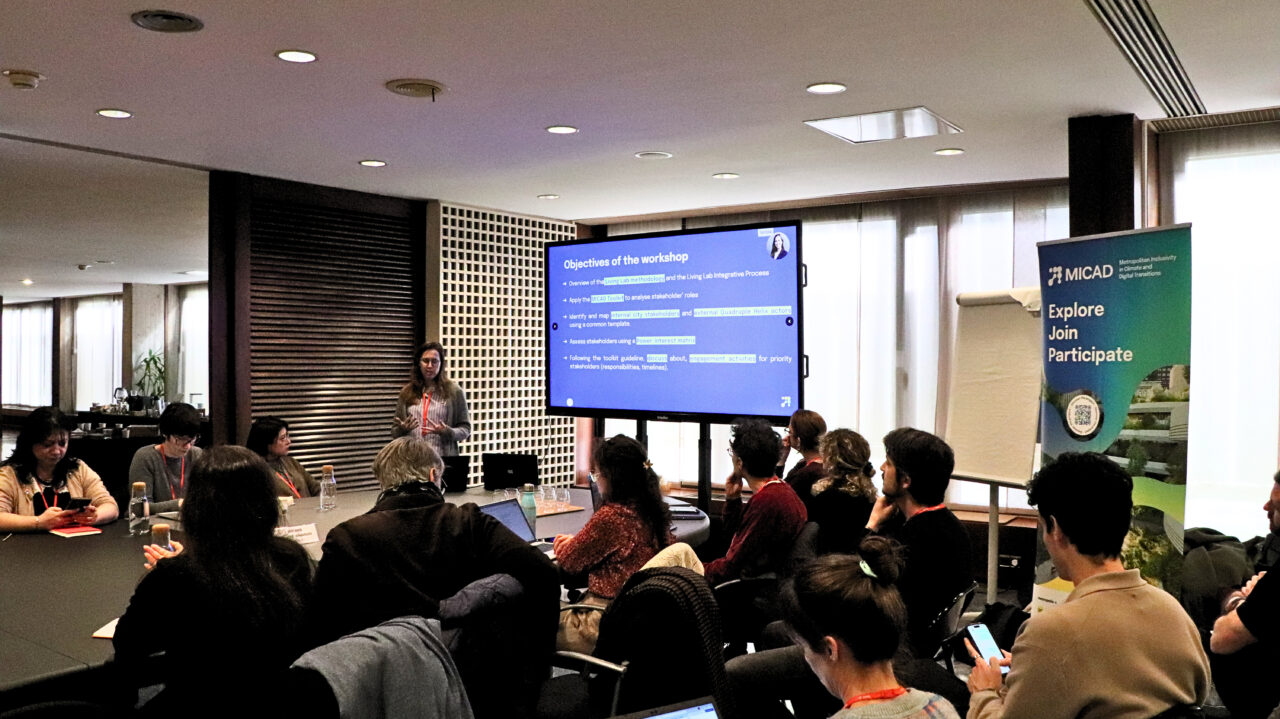
The development of the MICAD Methodological Framework was not based on applying a predefined methodology. Instead, it was built around the principles and core characteristics of the Living Lab approach, ensuring continuous interaction with Metropolitan Authorities and close alignment with their operational realities.
Living Labs provide an environment for collaborative experimentation, enabling public authorities and stakeholders to co-create solutions while integrating real-world constraints and local priorities into the process.
To translate these principles into practice, MICAD combines conceptual guidance with operational usability through two complementary dimensions:
The framework itself was developed through an iterative pathway that combined:
This iterative development process ensured that the framework achieved both methodological robustness and practical applicability.
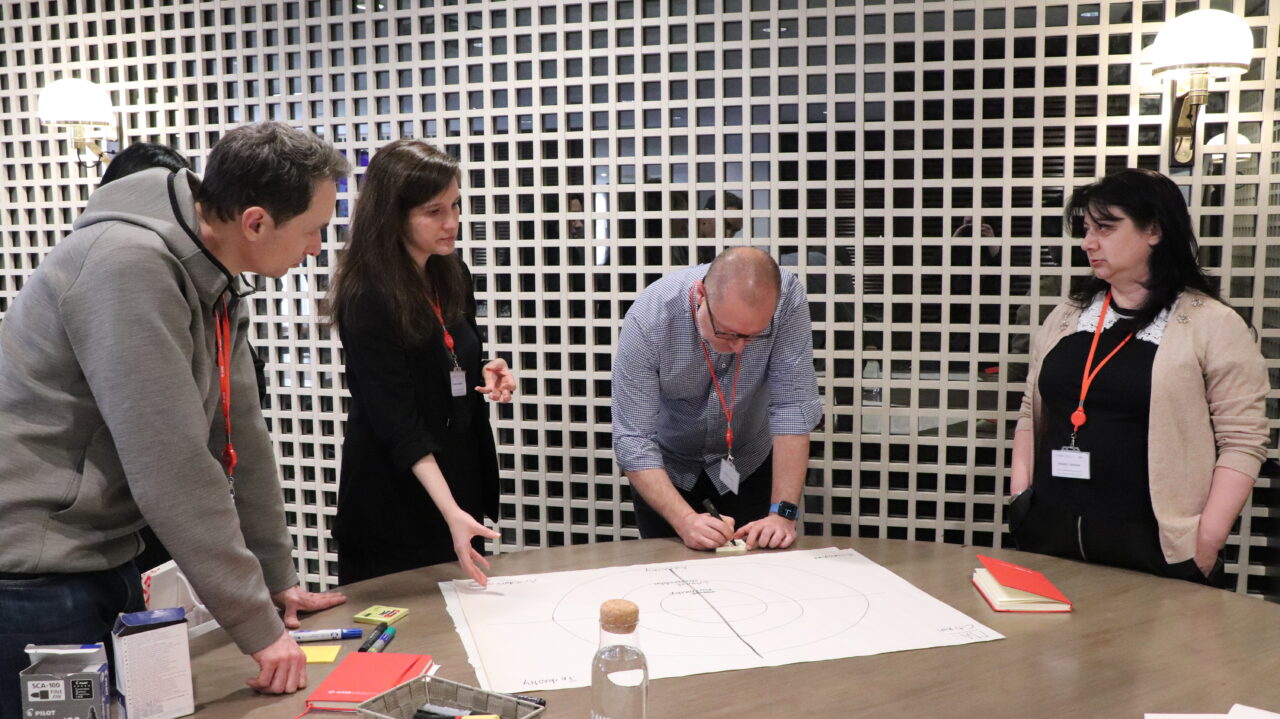
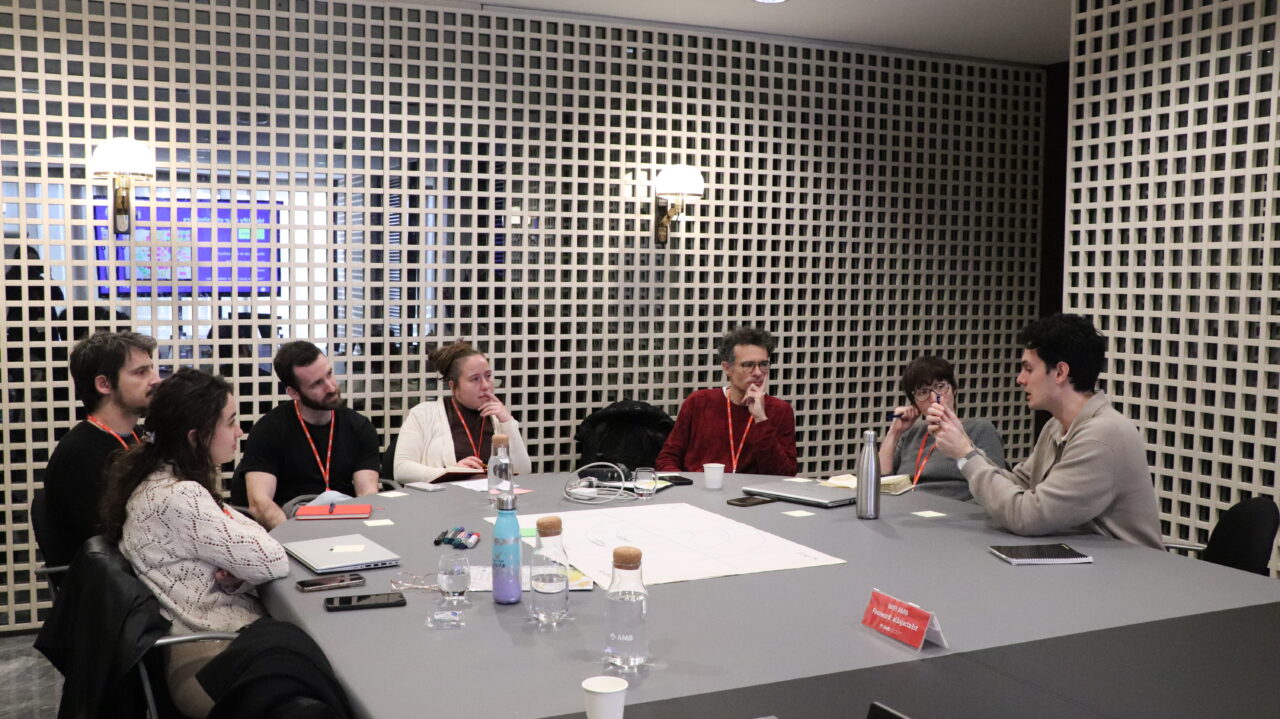
At the centre of the MICAD approach are three interconnected components: the Toolkit, the Methodological Framework, and the Roadmap. Together, they form a coherent support system that enables Metropolitan Authorities to move from conceptual orientation to practical implementation.
Each component plays a distinct but complementary role.
The Toolkit represents the operational layer of MICAD. It contains concrete instruments, methods, and resources that support authorities throughout the transition process.
Its role is to provide actionable support and facilitate implementation activities across different phases of roadmap development.
The Methodological Framework operates at the conceptual and procedural level.
It defines the overall logic, structure, and sequence of steps that guide the design and development of transition Roadmaps. Beyond establishing principles and phases, the framework performs a critical operational function by organising how the Toolkit is used throughout the process.
Specifically, the framework:
In this sense, the Methodological Framework represents not only how the process is approached, but also introduces a decision-making layer that helps actors select and tailor methods according to their specific governance, institutional, and territorial realities.
The Roadmap constitutes the strategic output generated through the methodological process.
It translates shared objectives, selected interventions, and implementation priorities into a structured transition pathway tailored to each metropolitan context.
Through this progression—from framework to tools to roadmap—MICAD enables Metropolitan Authorities to move systematically from understanding complexity to delivering coordinated action.
The main results of the MICAD methodological work demonstrate that the developed Frameworks are relevant, comprehensive, and operationally useful for supporting roadmap development.
By combining Living Lab principles with structured methodological guidance and adaptive implementation mechanisms, MICAD offers metropolitan areas more than a planning tool: it provides a practical governance approach for managing intertwined climate and digital transitions.
In environments defined by uncertainty and competing priorities, the MICAD Methodological Framework offers a way to transform complexity into coordinated action—helping metropolitan regions move from ambition to implementation.
_________
Cited papers in this article:
Andrade, J., Rodríguez, S., Seoane, M., & Suárez, S. (2009). Knowledge Management Systems Procedural Development. In Encyclopedia of Artificial Intelligence (pp. 975–981). IGI Global. https://doi.org/10.4018/978-1-59904-849-9.ch144
Cruz Rivera, S., Kyte, D. G., Aiyegbusi, O. L., Keeley, T. J., & Calvert, M. J. (2017). Assessing the impact of healthcare research: A systematic review of methodological frameworks. PLOS Medicine, 14(8), e1002370. https://doi.org/10.1371/journal.pmed.1002370
McMeekin, N., Wu, O., Germeni, E., & Briggs, A. (2020). How methodological frameworks are being developed: Evidence from a scoping review. BMC Medical Research Methodology, 20(1). https://doi.org/10.1186/s12874-020-01061-4
Be part of a transformative movement towards inclusive climate and digital solutions. Together, we can shape sustainable metropolitan futures.
