Building the Digital Metropolis in Barcelona: a forward-thinking session to strengthen our cooperation

Author: Natyra Zhjeqi (AMB)
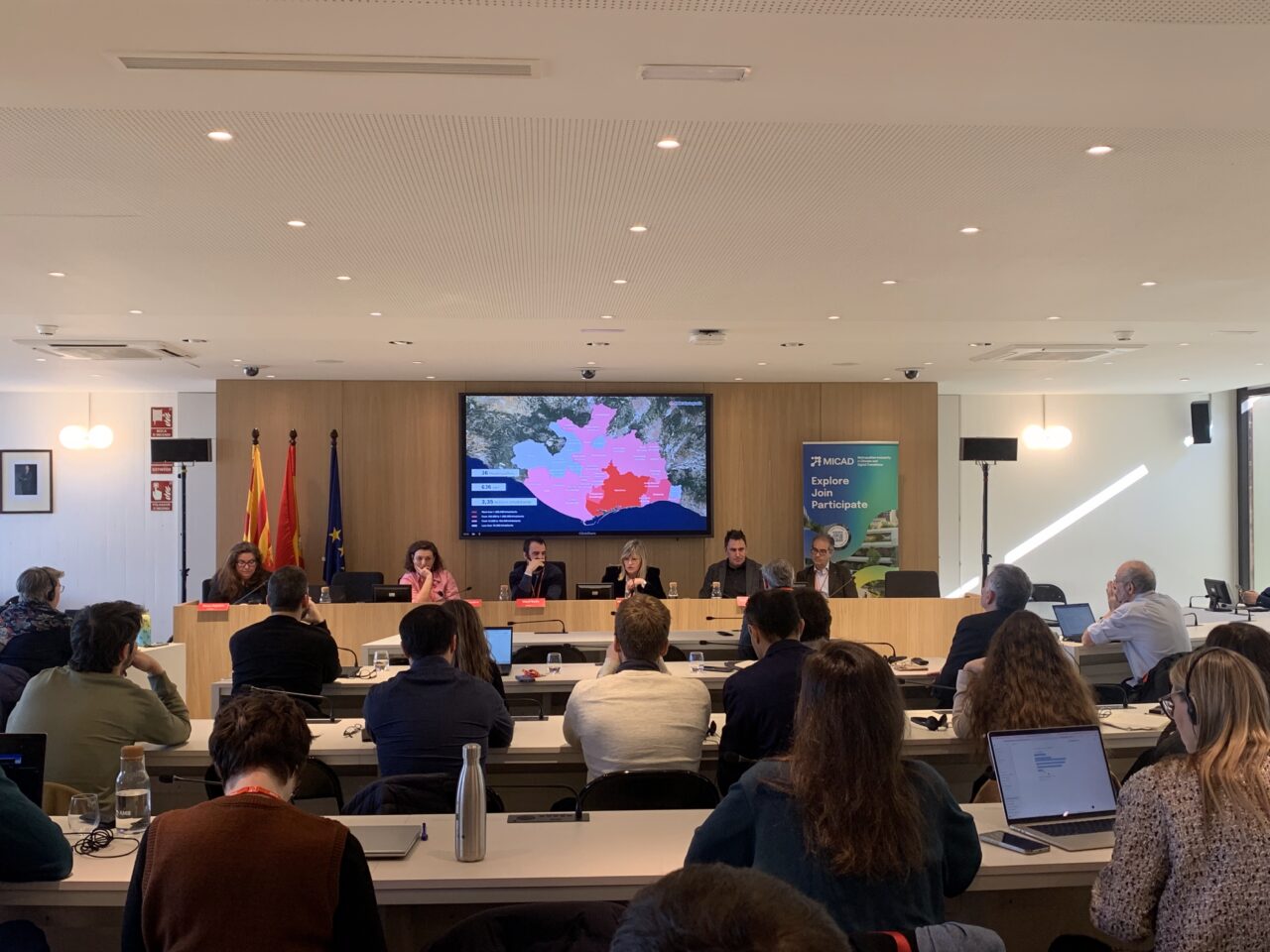
As part of the MICAD project, AMB hosted the workshop Building the Digital Metropolis at its headquarters in Barcelona. The event brought together project partners, metropolitan stakeholders and representatives from other cities to examine how digital transformation can support metropolitan governance, improve public services and contribute to the climate transition. The programme combined institutional and project presentations, examples from AMB’s own digital tools and services, experiences from partner cities, and two roundtable discussions on the relationship between the digital and climate transitions and on the future of metropolitan digital governance.
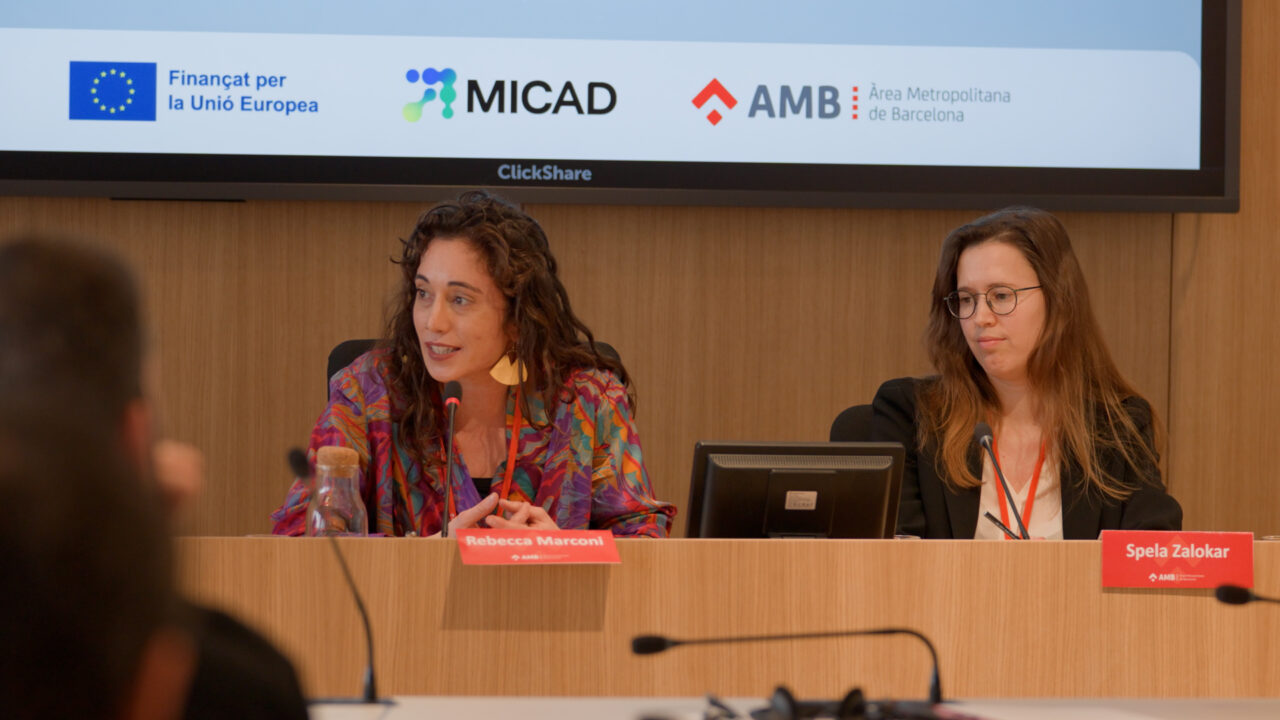
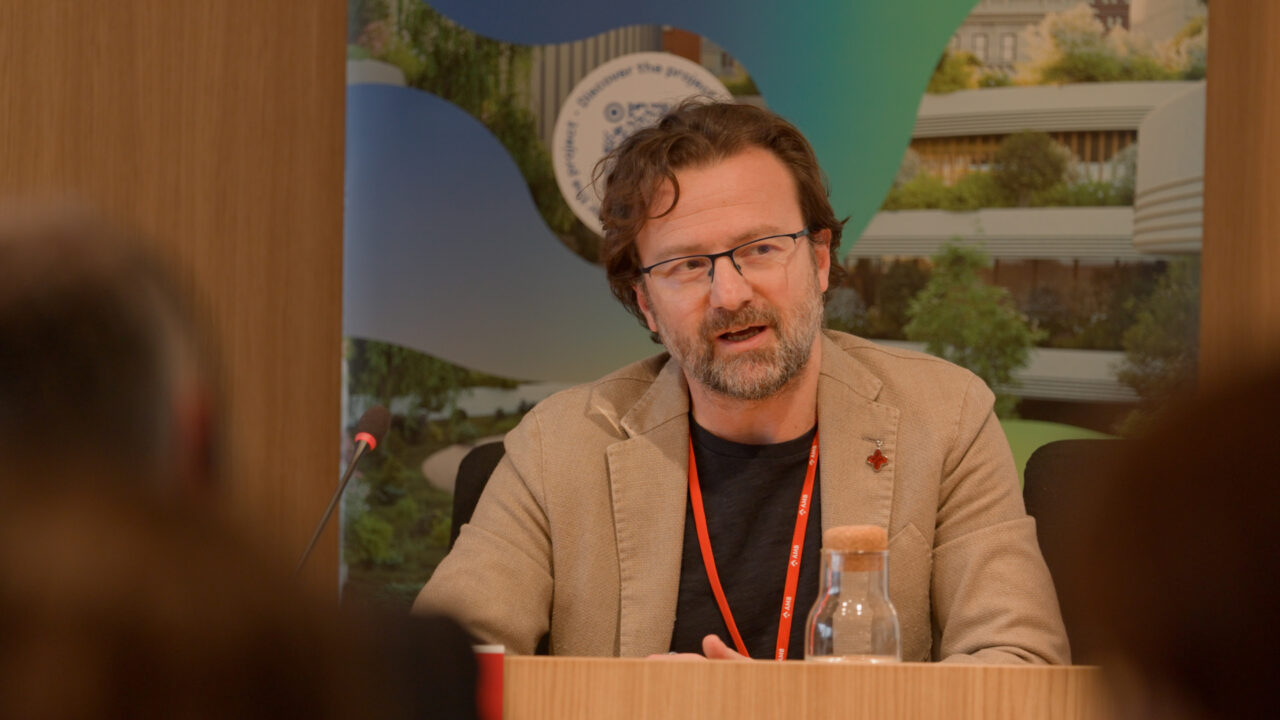
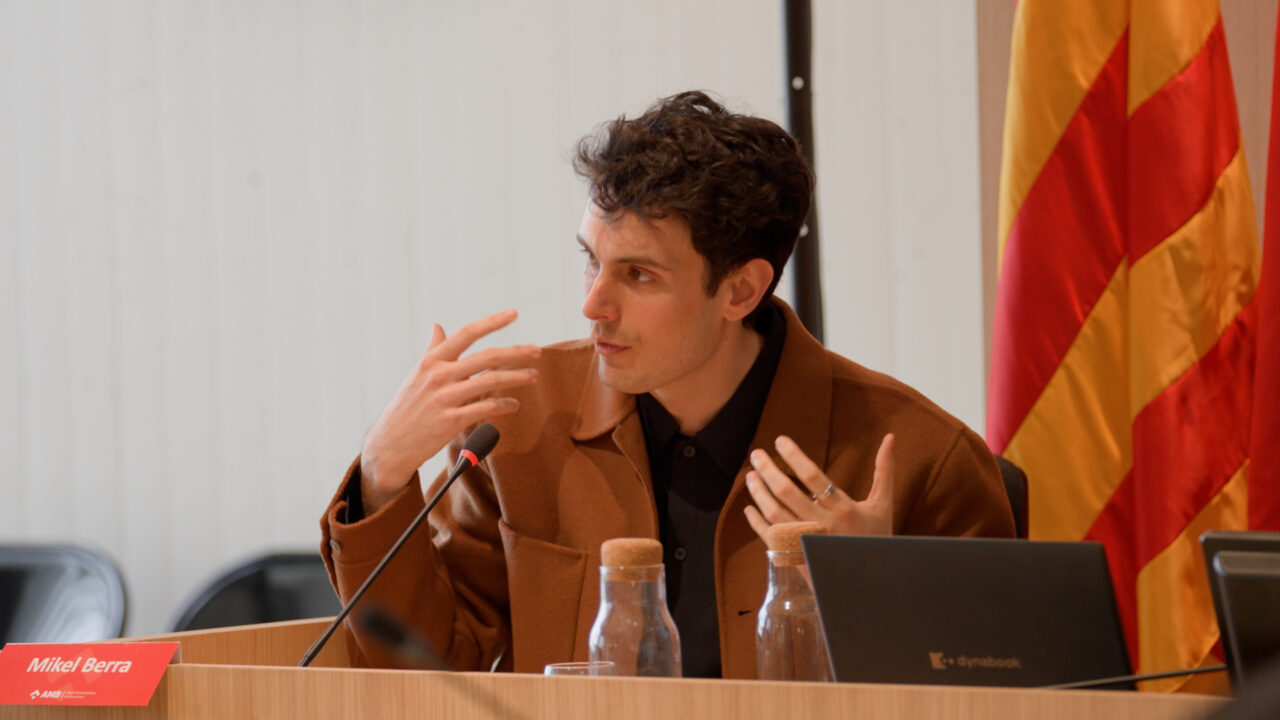
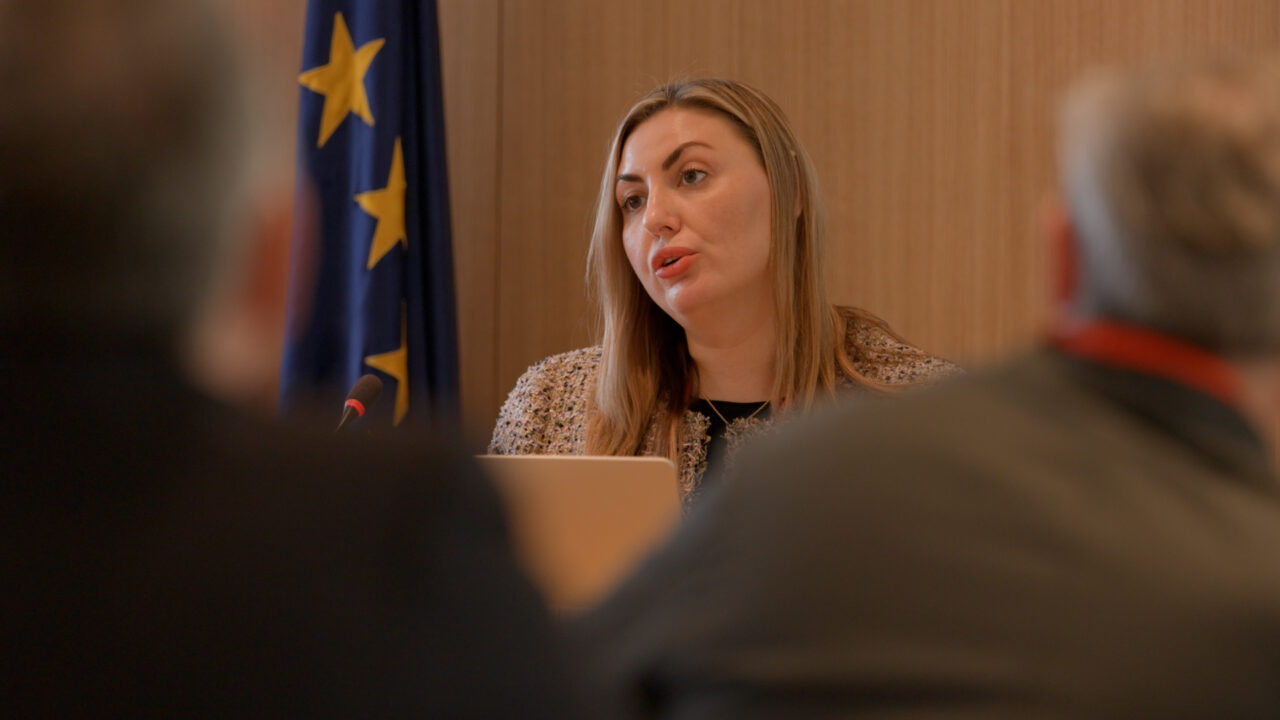
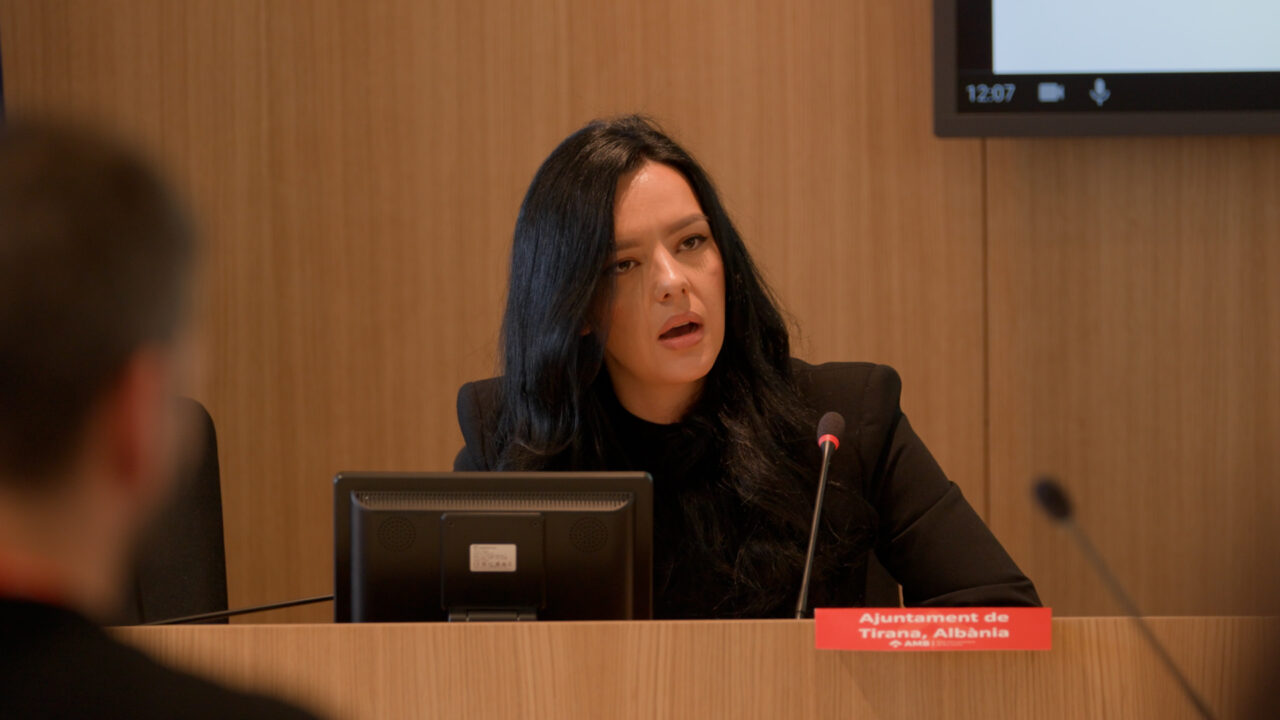
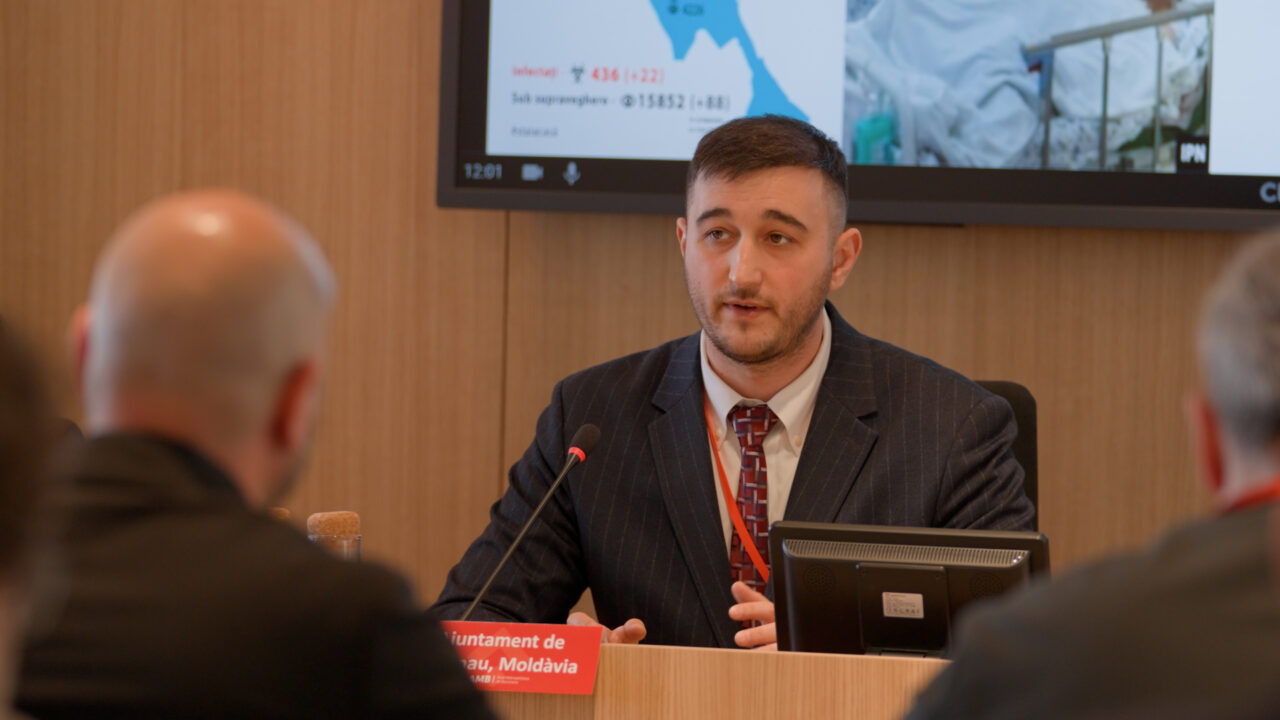
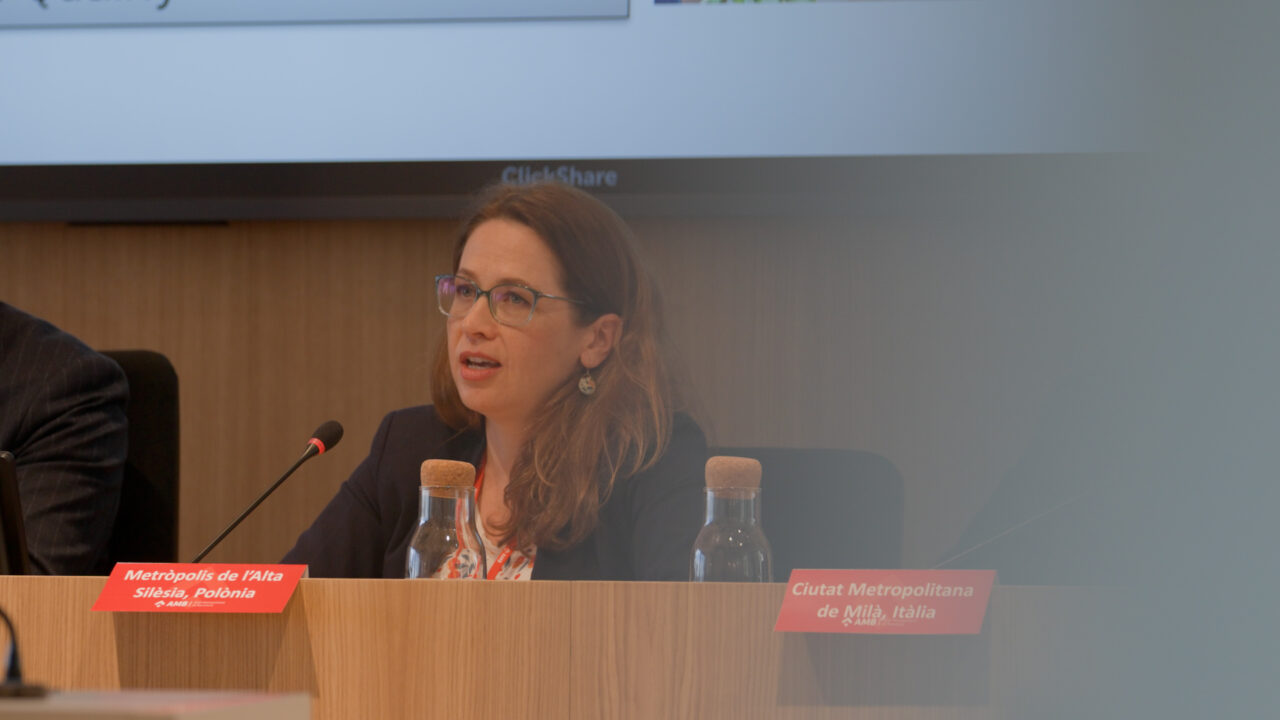
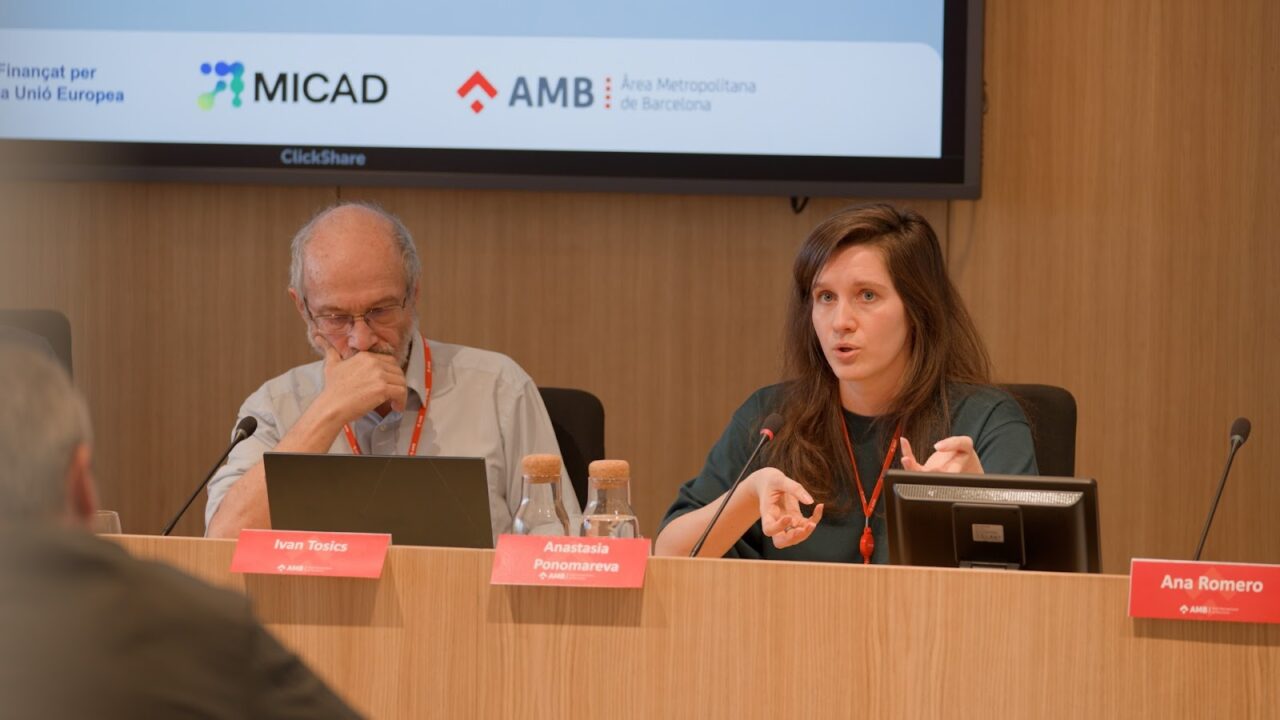
A central message emerging across the day was that digital transition is not only a question of technology uptake, but of institutional capacity, governance and coordination. Speakers stressed the importance of interoperable systems, shared standards, data governance, and stronger collaboration across departments and levels of administration. These conditions were presented as essential if digital tools are to move beyond isolated use cases and support reliable public services, more integrated decision-making and wider scaling.
The discussions also underlined that digital transition must remain anchored in public purpose. Several contributions linked digital innovation to better public services, stronger legitimacy and improved quality of life, while also stressing the need for transparency, explainability, human oversight and trustworthy data. A recurring point was that meaningful participation and visible feedback are necessary if digital transformation is to strengthen, rather than weaken, public trust and democratic accountability.
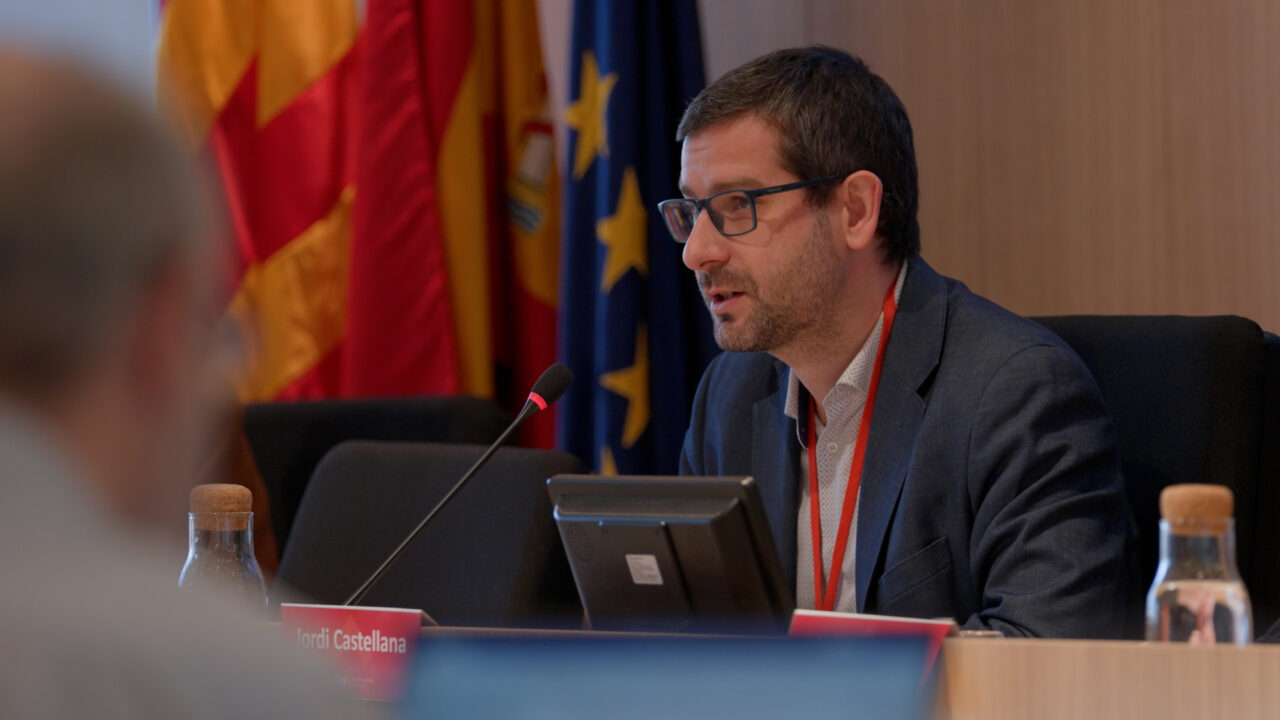
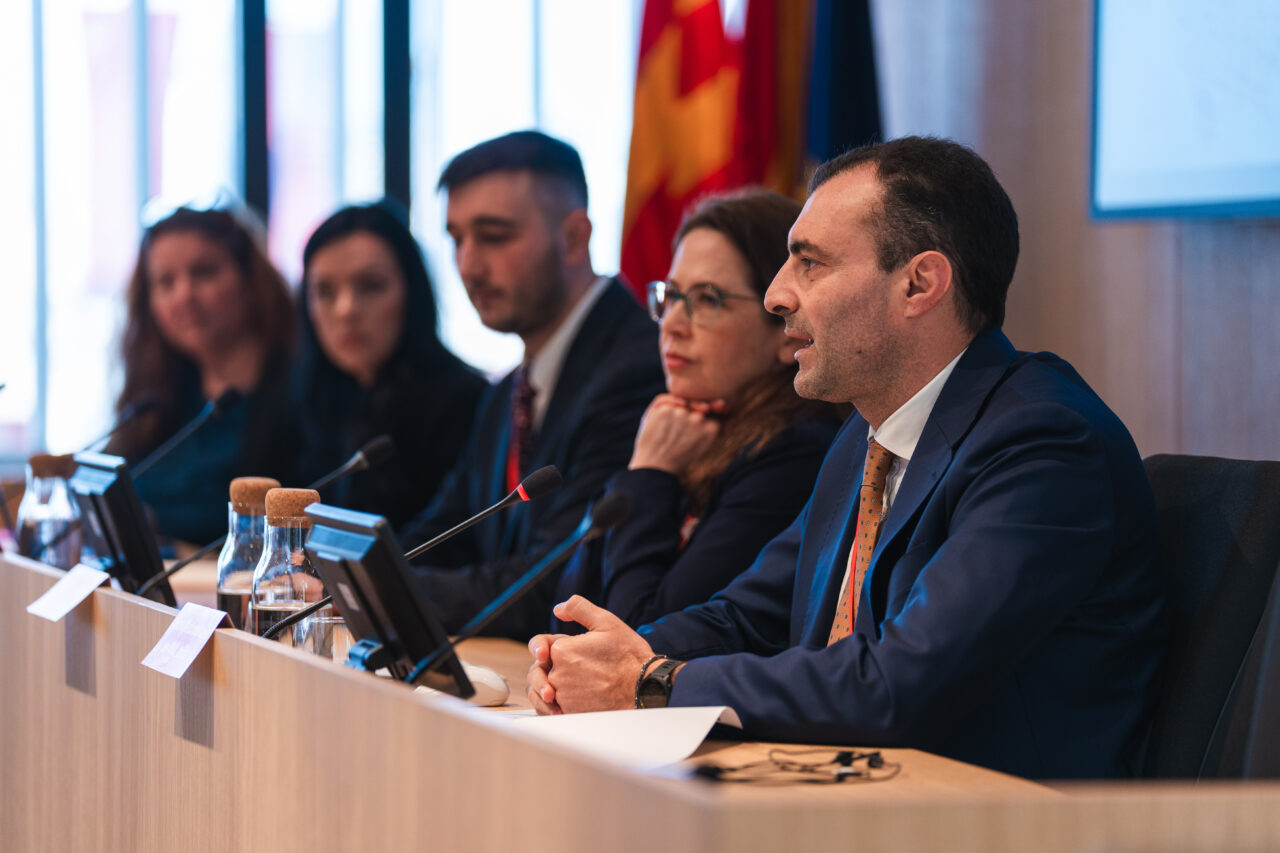
The metropolitan scale was consistently presented as especially important for systems and challenges that extend beyond municipal boundaries, including mobility, energy, waste, air quality, logistics and data infrastructures. At the same time, the report shows that metropolitan action depends on effective multilevel governance, since implementation remains shaped by competence splits, funding frameworks and coordination between municipal, metropolitan, national and European actors. Experiences from Milan, GZM, Chișinău and Tirana illustrated different ways in which metropolitan governance can support shared infrastructure, capacity-building, investment preparation and integrated planning in diverse institutional contexts.
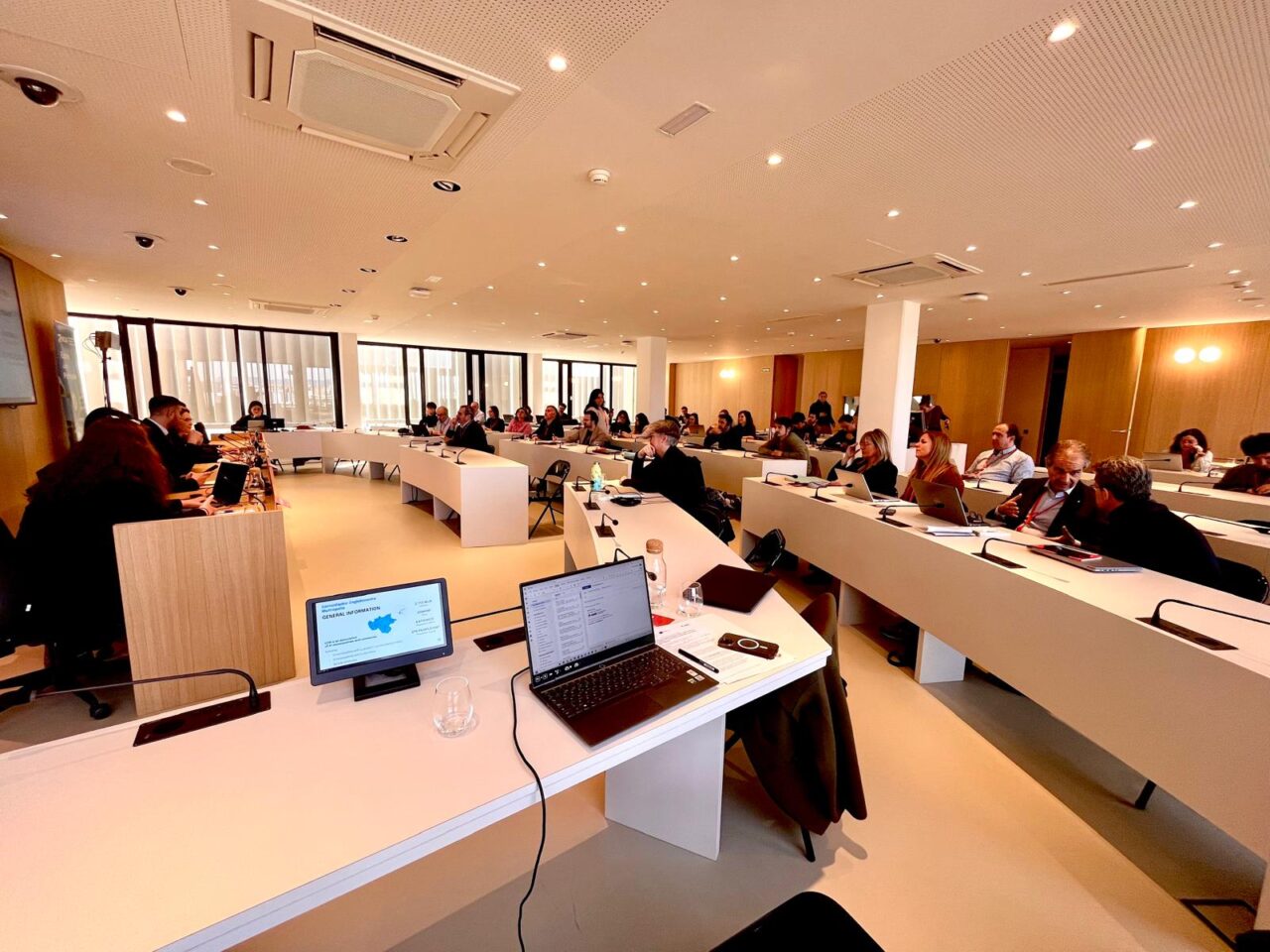
The relationship between the digital and climate transitions was presented as both promising and complex. Speakers agreed that digital tools can improve modelling, monitoring, planning and service optimisation, but they also stressed that digitalisation has its own environmental and territorial footprint, including pressures related to energy, water, materials and electronic waste. The roundtable discussions showed that the two agendas do not automatically align and often still operate in parallel. Alignment therefore needs to be built deliberately through governance, shared data, practical coordination and a clearer integration of environmental and digital objectives.
Finally, the event pointed to a future vision of the metropolitan digital transition based on public purpose, human-centred design, co-creation and structured experimentation. Approaches such as living labs, digital twins, maturity assessments and participatory platforms were presented as useful tools for testing solutions, learning across institutions and improving implementation. Overall, the workshop highlighted that the digital transition becomes meaningful when it is treated not as an end in itself, but as a collective governance project supporting more inclusive, coordinated and resilient metropolitan development.
Be part of a transformative movement towards inclusive climate and digital solutions. Together, we can shape sustainable metropolitan futures.
