From first year to future visions: MICAD’s General Assembly in Barcelona
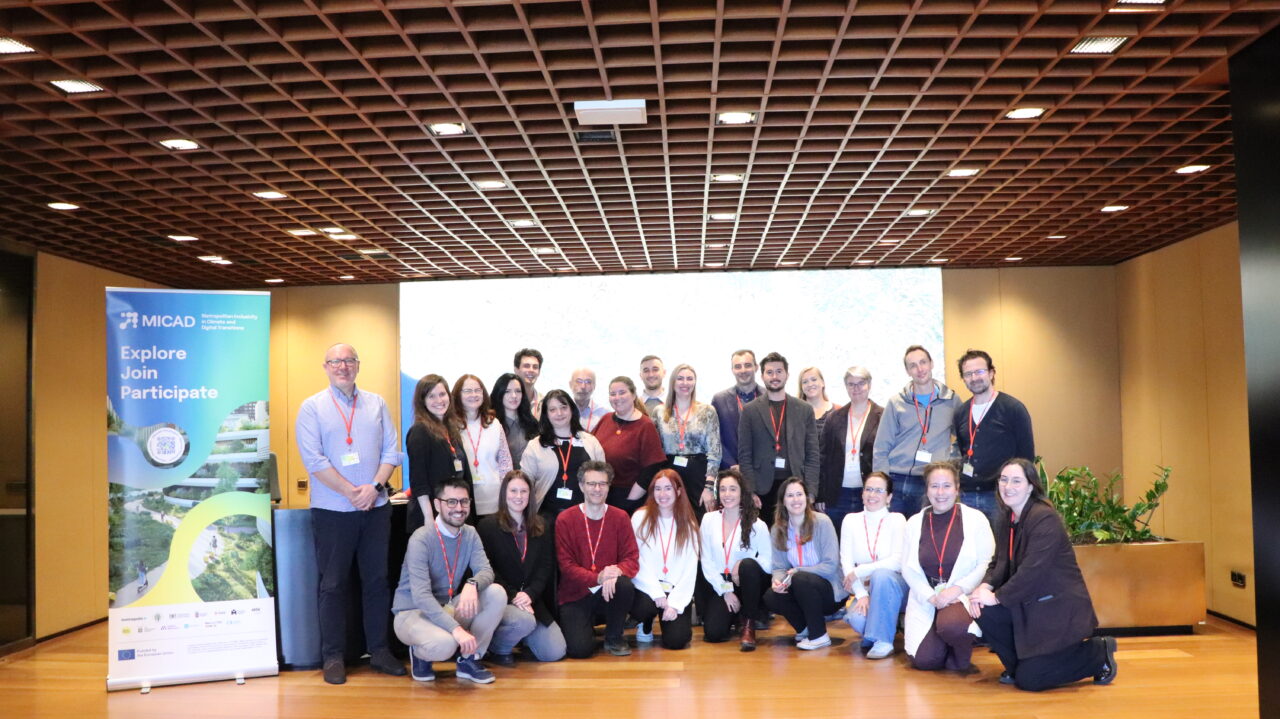

From 18 to 20 February, partners of the MICAD Project gathered in Barcelona for the project’s General Assembly, marking the completion of its first year and setting the course for the next phase of activities.The meeting brought together researchers, metropolitan authorities and project managers to reflect on the progress achieved so far and to strengthen collaboration across the consortium.
Over the past year, the project has focused on building a solid research foundation to support inclusive climate and digital transitions in metropolitan areas. This included assessing the readiness of five European pilot metropolitan areas — Górnośląsko-Zagłębiowska Metropolia – GZM (Poland), Barcelona Metropolitan Area (Spain), City of Tirana (Bashkia Tiranë, Albania), Chișinău Municipality (Primăria Municipiului Chișinău, Moldova), and Metropolitan City of Milan – CMM (Italy) — to lead these transitions, identifying structural barriers to inclusive metropolitan governance, and developing a holistic framework connecting climate action and digital transformation. The work has also benefited from exchanges with 16 metropolitan areas from Latin America and Africa, bringing valuable Global South perspectives into the project.
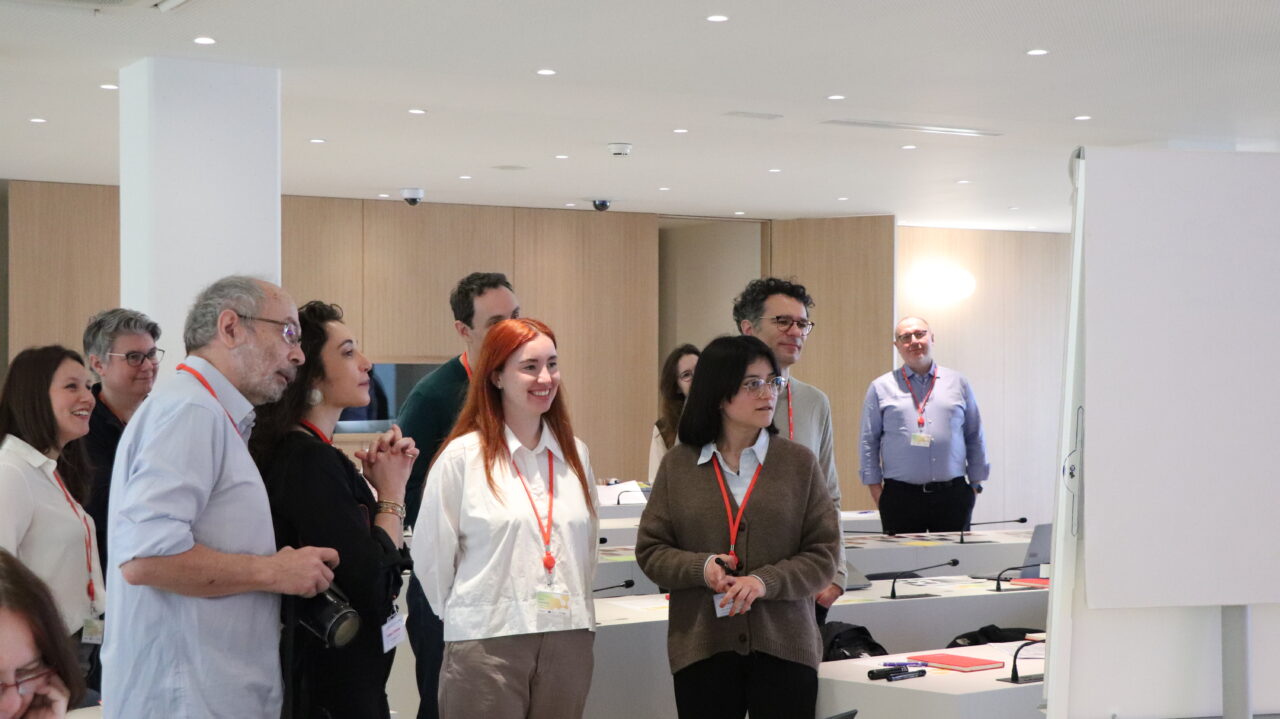
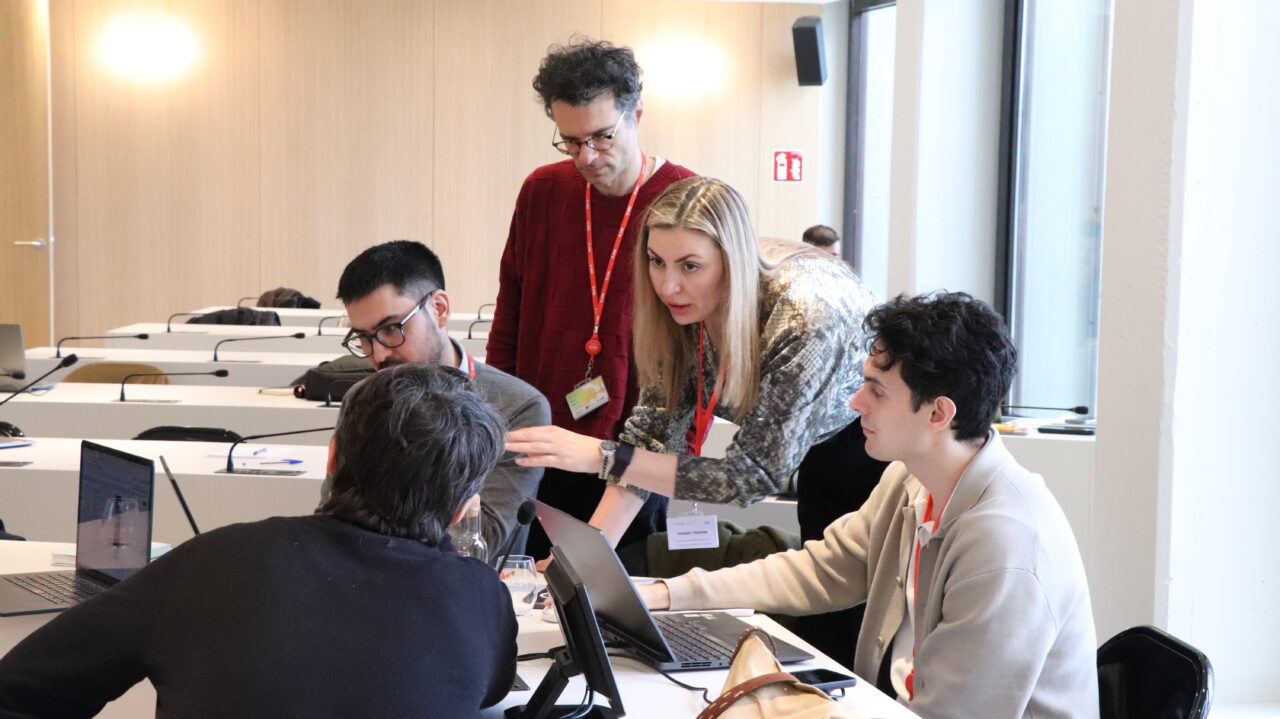
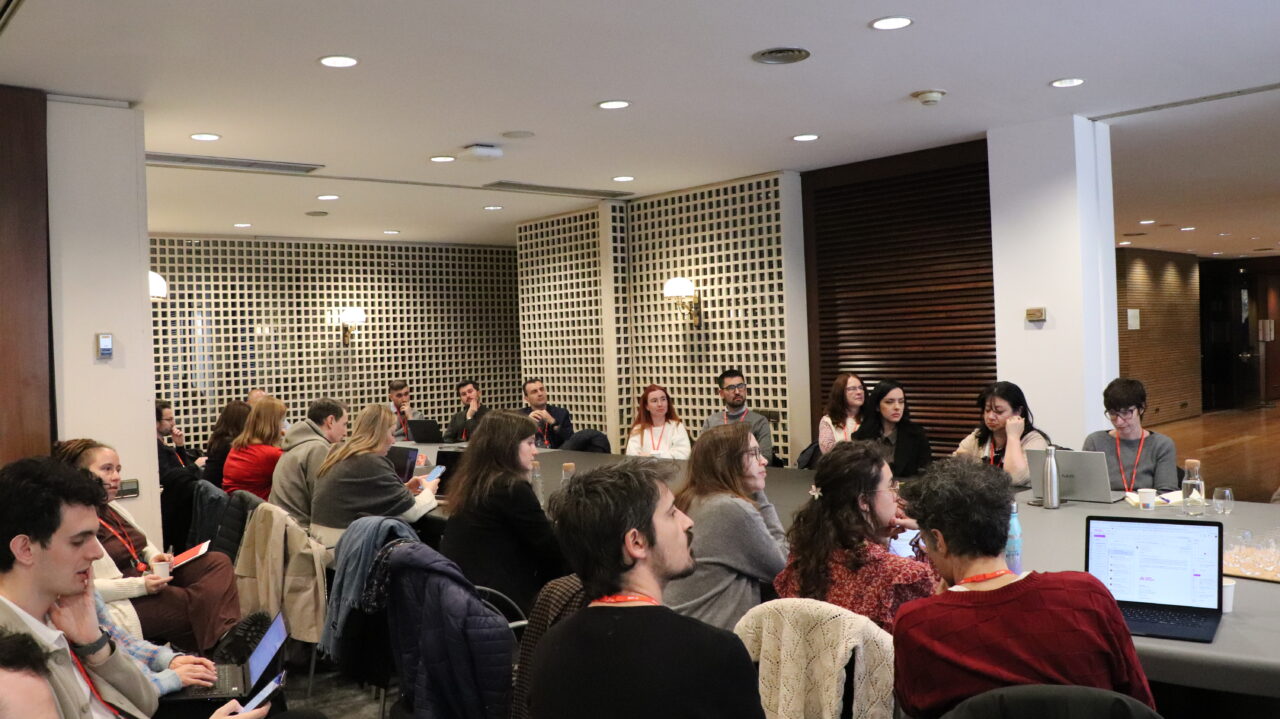
A key highlight of the General Assembly was the testing of the first prototype of the Toolkit for Inclusive Metropolitan Planning. During the first day, partners and representatives from the pilot metropolitan areas worked hands-on with the toolkit, experimenting with its tools to identify potential challenges, areas for improvement and practical applications in real governance contexts.
The second day focused on two thematic workshops. One explored how metropolitan authorities can design effective climate and digital transition roadmaps, while the other addressed capacity building, stakeholder engagement and the Living Lab methodology, which will guide MICAD’s co-creation processes with local actors.
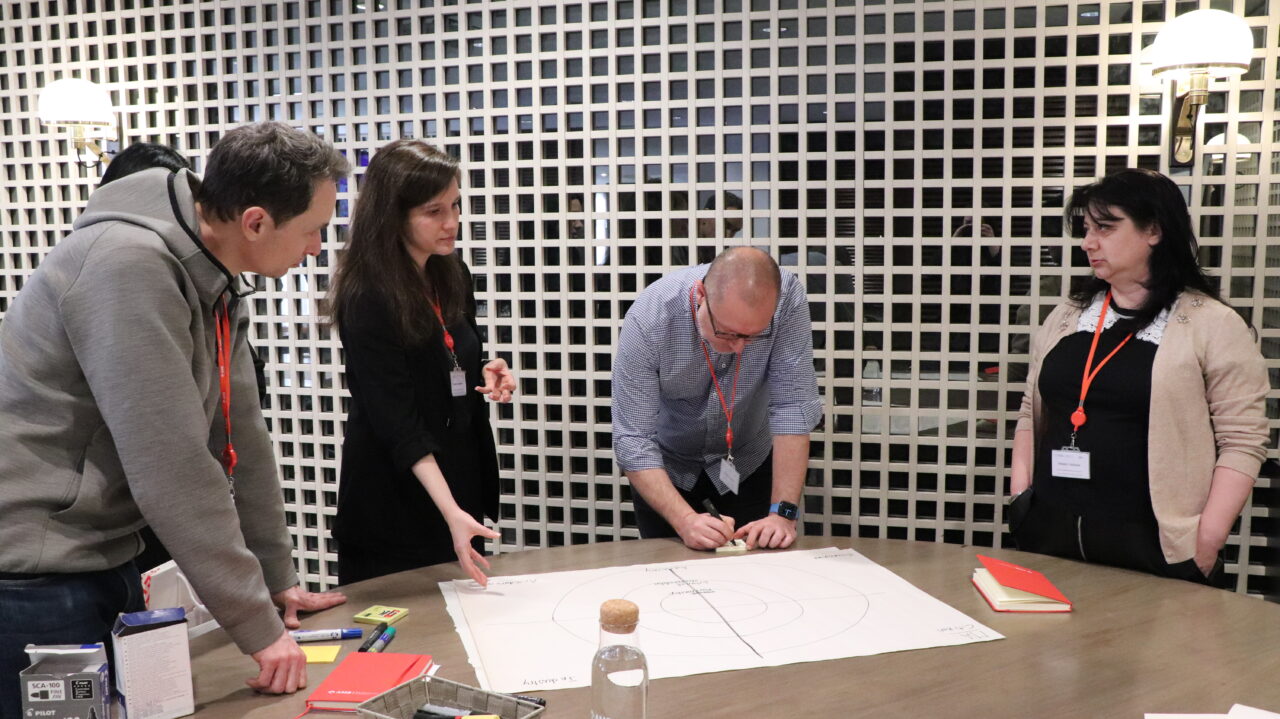
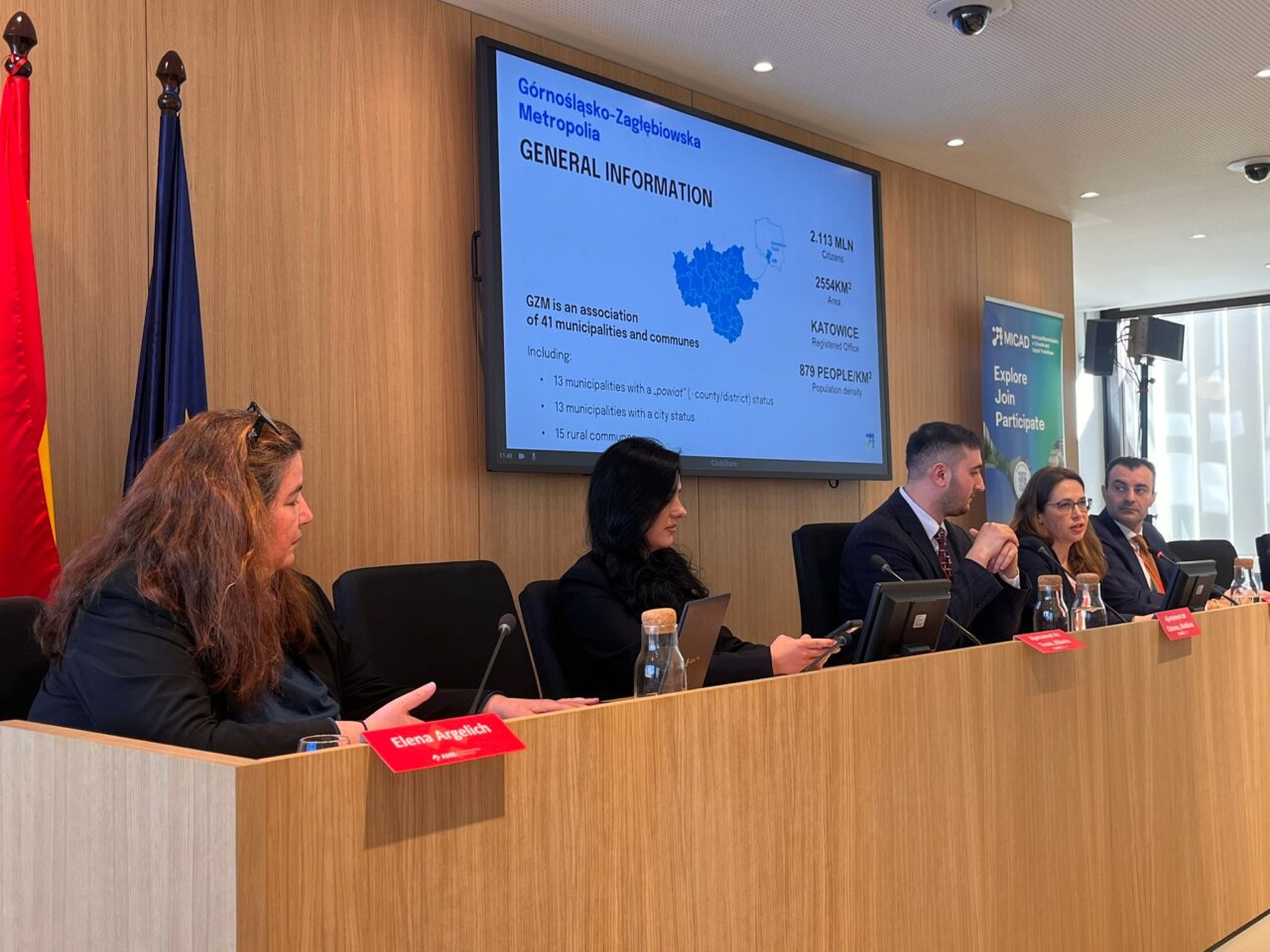
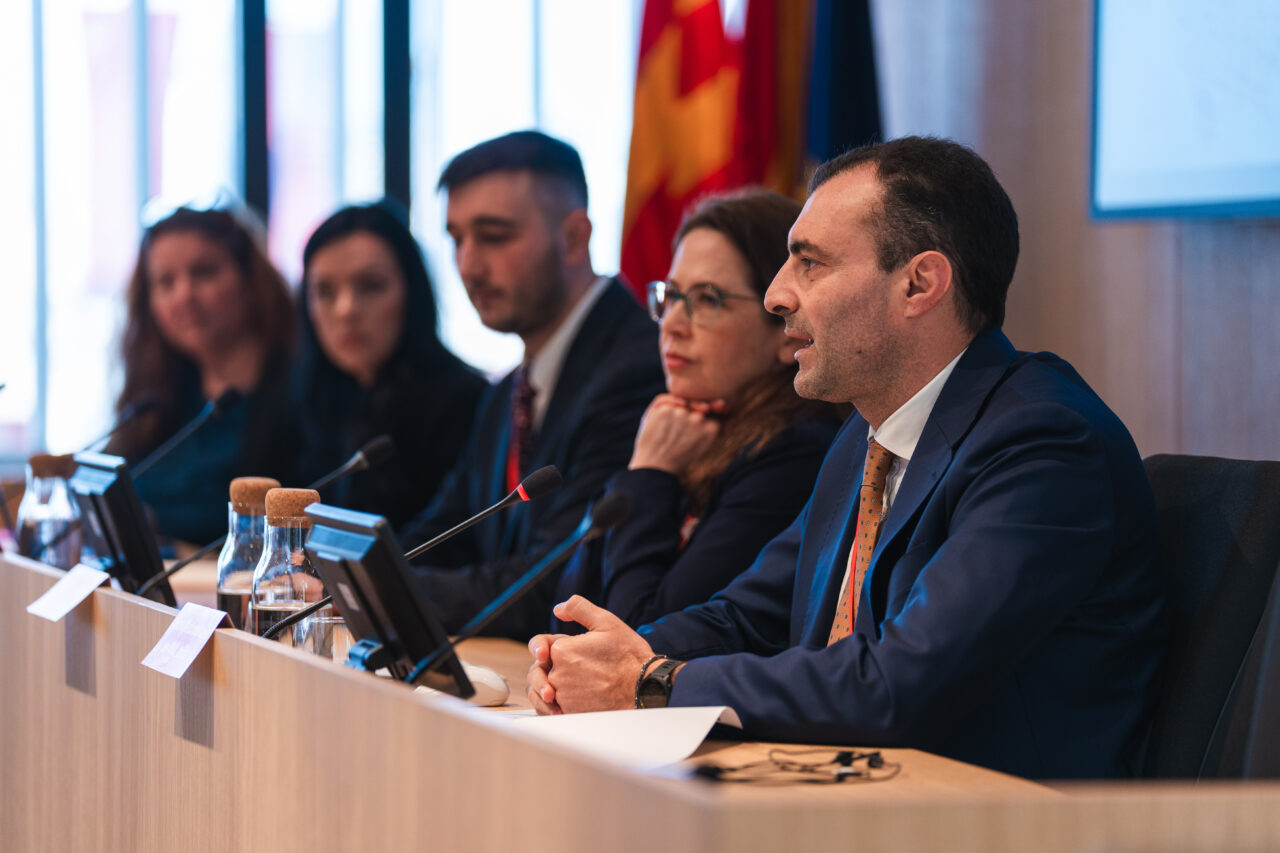
The final day opened the conversation to a broader audience through the session “Future visions: co-creating the metropolitan digital transition“ organised by the hosting partner AMB. The discussion highlighted how metropolitan areas are becoming key arenas for the digital transition, where local needs, democratic governance and European policy agendas intersect. Participants reflected on how digital transformation should not be understood as a purely technological shift, but as a collaborative process involving metropolitan authorities, municipalities, citizens, research institutions and the private sector working together around shared goals, data and governance models.
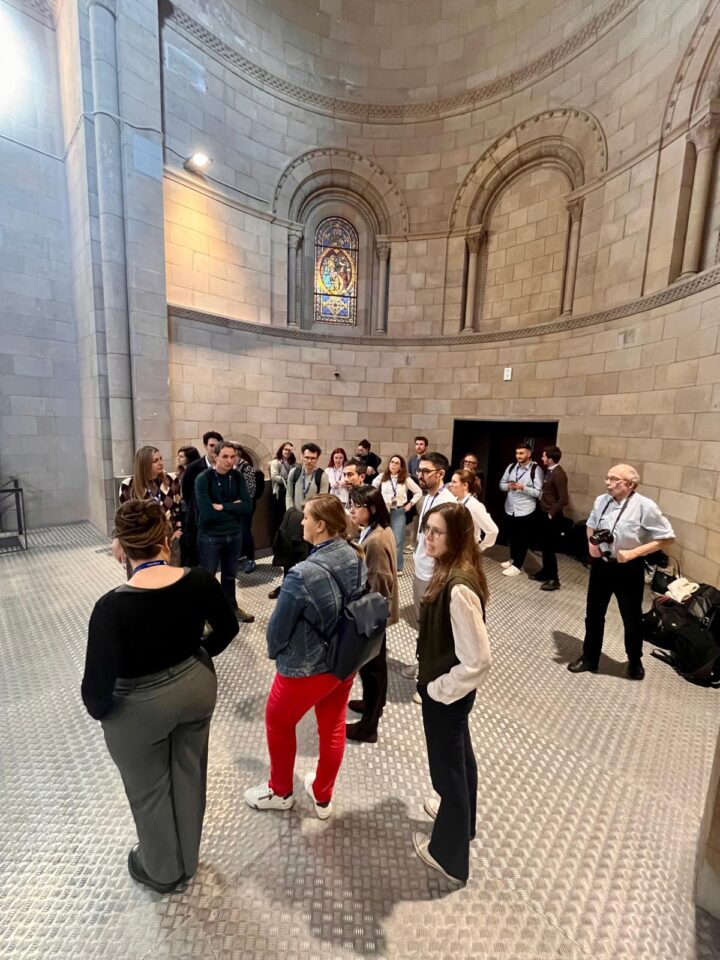
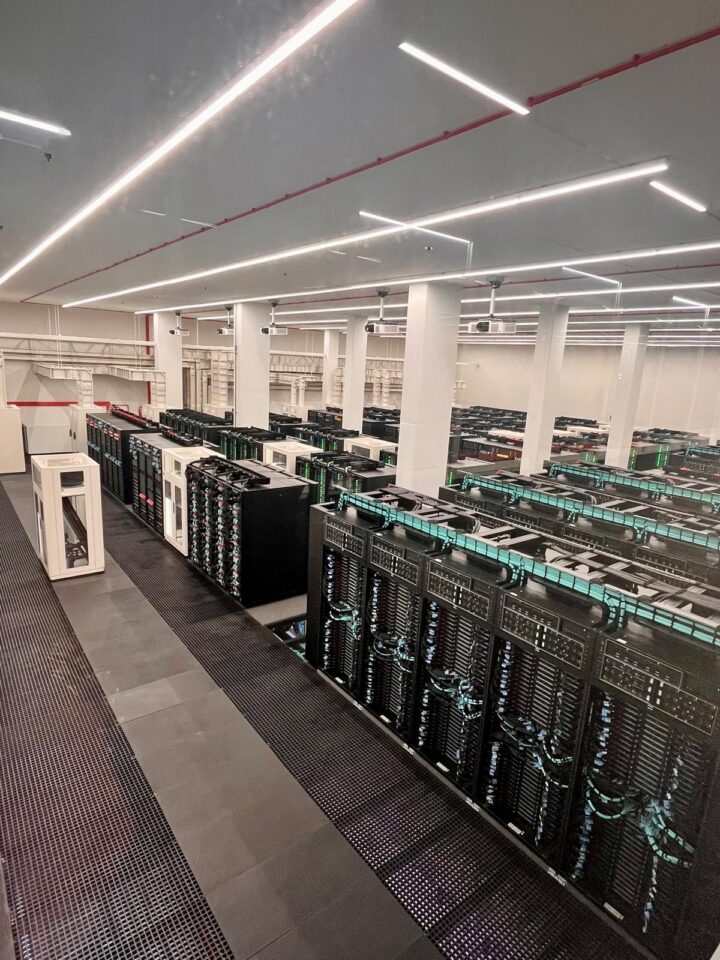
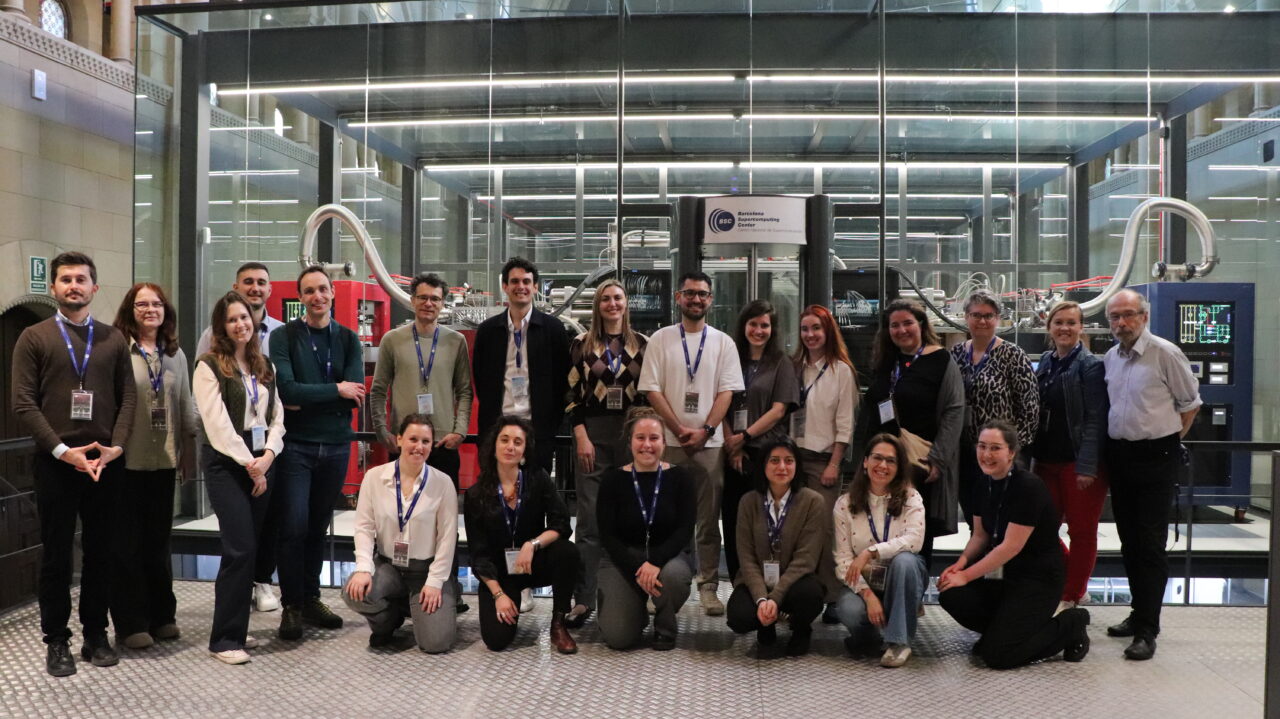
The programme also included a series of field visits designed to ground the discussions in Barcelona’s local context. On the first day, consortium members visited the Barcelona Supercomputing Centre (BSC) and explored a superblock firsthand, prompting reflection on the role of digital capabilities in metropolitan governance. The following day, the group explored the city more closely, visiting climate shelters in l’Hospitalet. These visits offered a tangible connection between the Assembly’s themes and the concrete urban realities of the Barcelona Metropolitan Area.
Beyond the technical discussions and project milestones, the General Assembly reaffirmed the collaborative spirit at the heart of MICAD. Policymakers, researchers, practitioners and local stakeholders all play a crucial role in shaping transitions that are not only innovative and efficient, but also fair and inclusive. As the project moves into its next phase, partners will continue developing the toolkit, launching the co-creation process in pilot metropolitan areas and designing inclusive climate and digital roadmaps.
Be part of a transformative movement towards inclusive climate and digital solutions. Together, we can shape sustainable metropolitan futures.
