From knowledge to action: MICAD’s General Assembly in Katowice
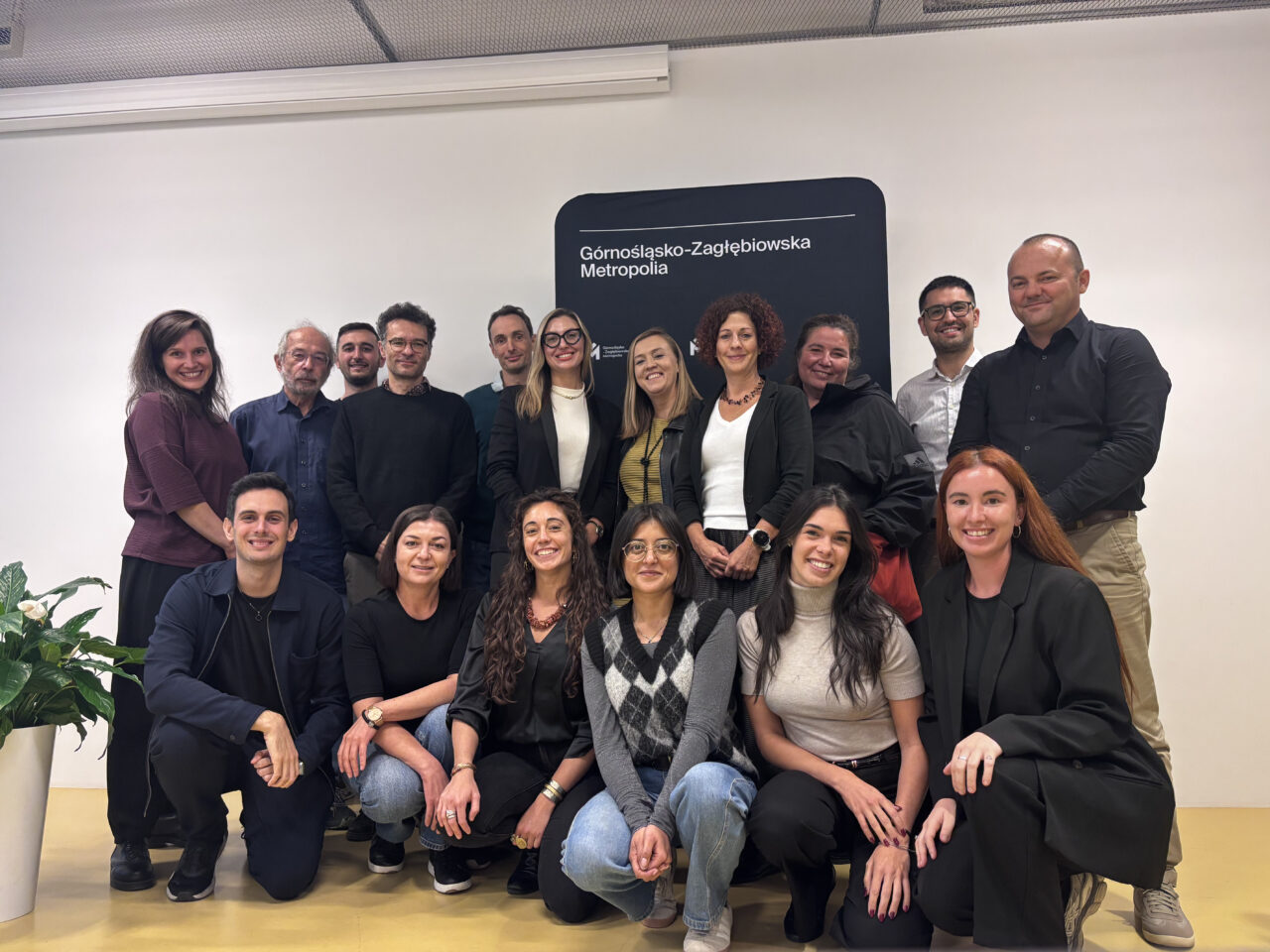

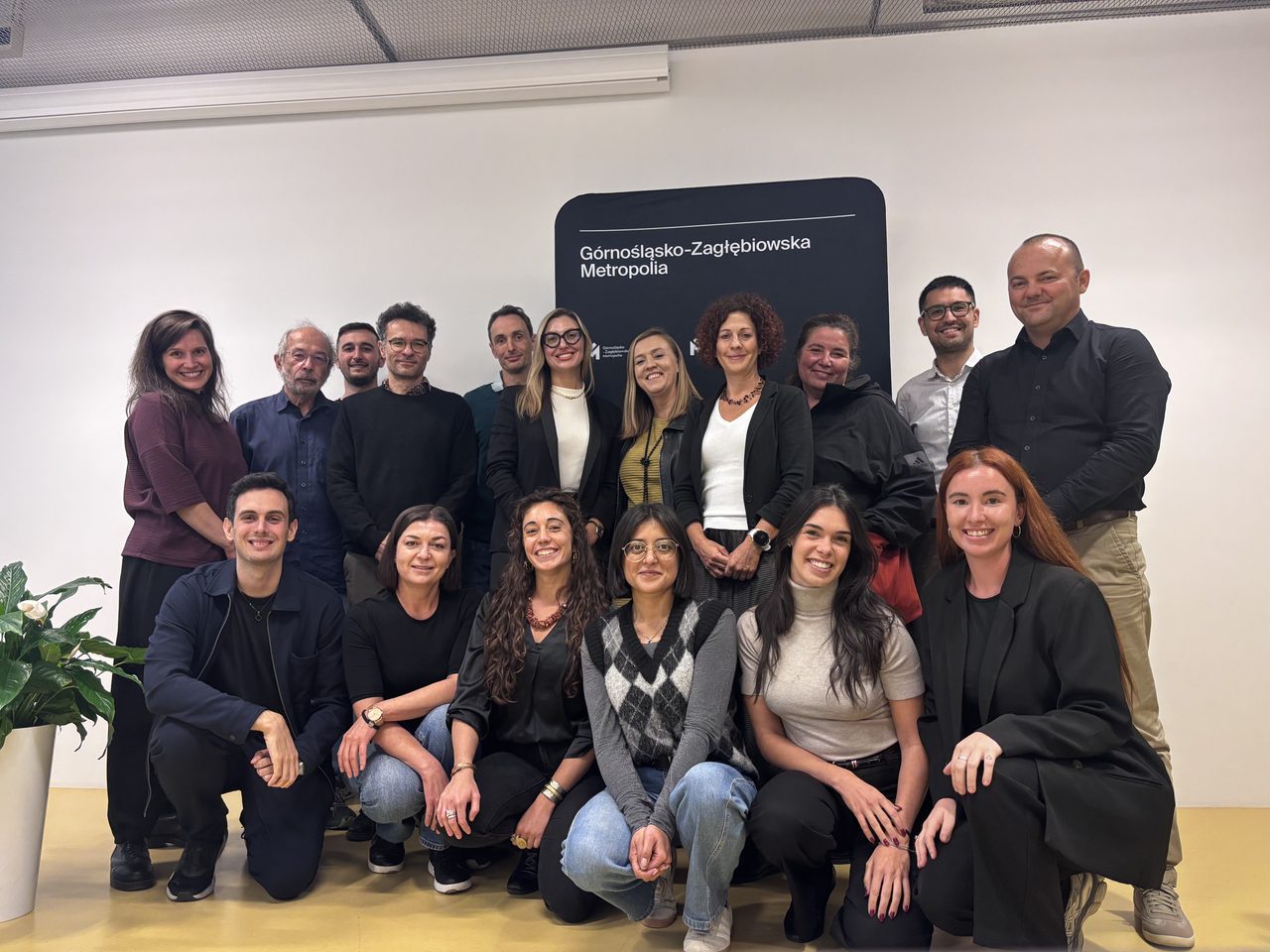
From 22 to 24 September, MICAD partners gathered in Kawtoice (Poland), hosted by GZM Metropolis. Three intense days of work to strengthen consortium’ collaboration, exchange reflections on the project’s results and next steps for the upcoming months.
Eighteen months into the project, the General Assembly marked an important moment in MICAD’s journey. After a first phase dedicated to research, methodological development, capacity building and exchanges across metropolitan contexts, the project is increasingly moving towards translating this knowledge into concrete pathways, tools and policy-oriented outputs for more inclusive climate and digital transitions in metropolitan areas.
A central part of the first day was dedicated to the digital and climate roadmaps that the metropolitan areas are currently developing. Through a structured peer review session, the partners explored how to develop this governance tool in a way that would make it both feasible and practical to implement.
Each metropolitan area presented the current status of its roadmap, sharing its strategic focus, progress achieved, unresolved challenges and first reflection on implementation. Rather than comparing the different metropolitan contexts, the session aimed to acknowledge their specific institutional, territorial, and governance conditions, while fostering constructive exchange on context-specific issues and tailored approaches.
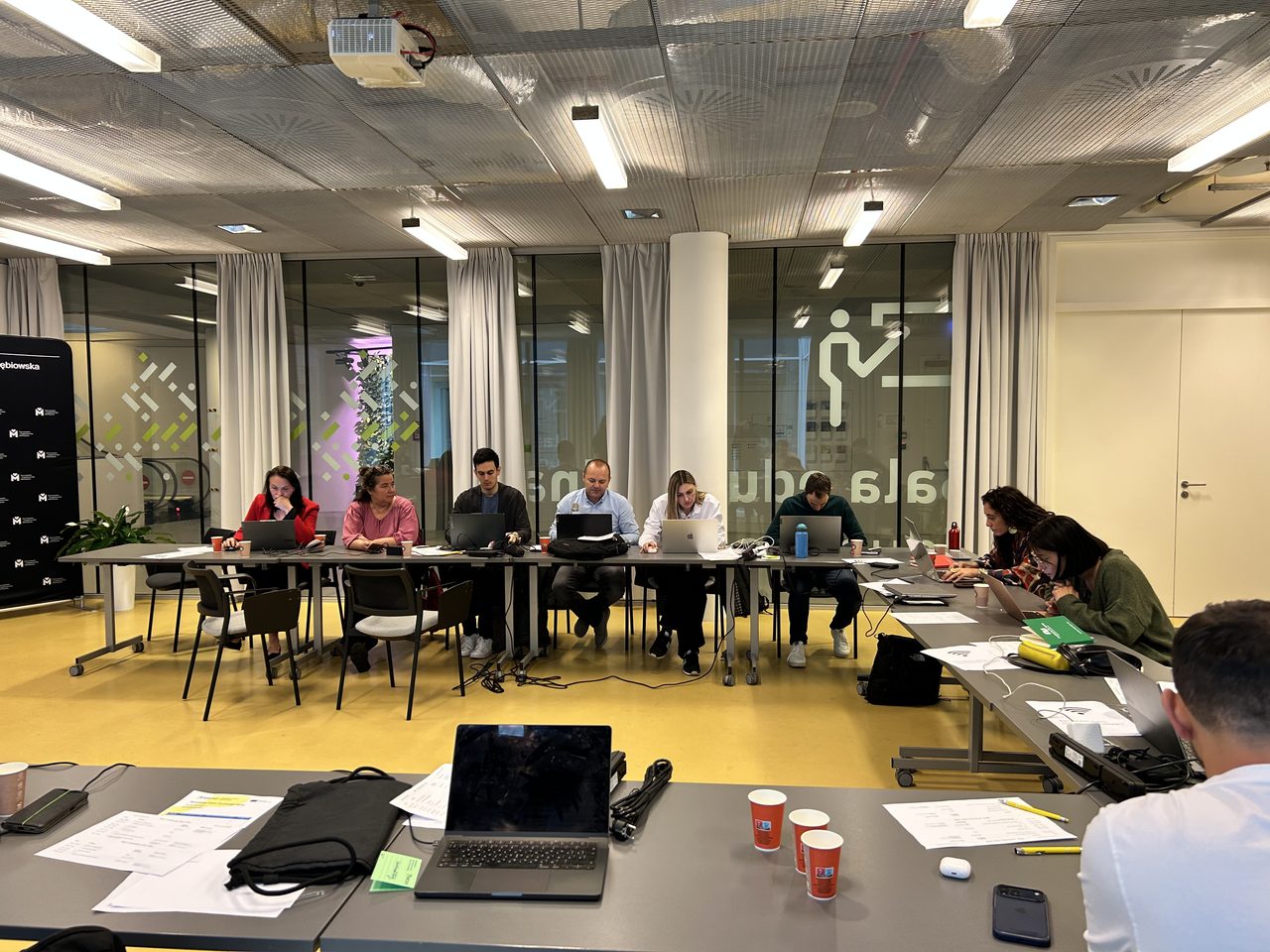
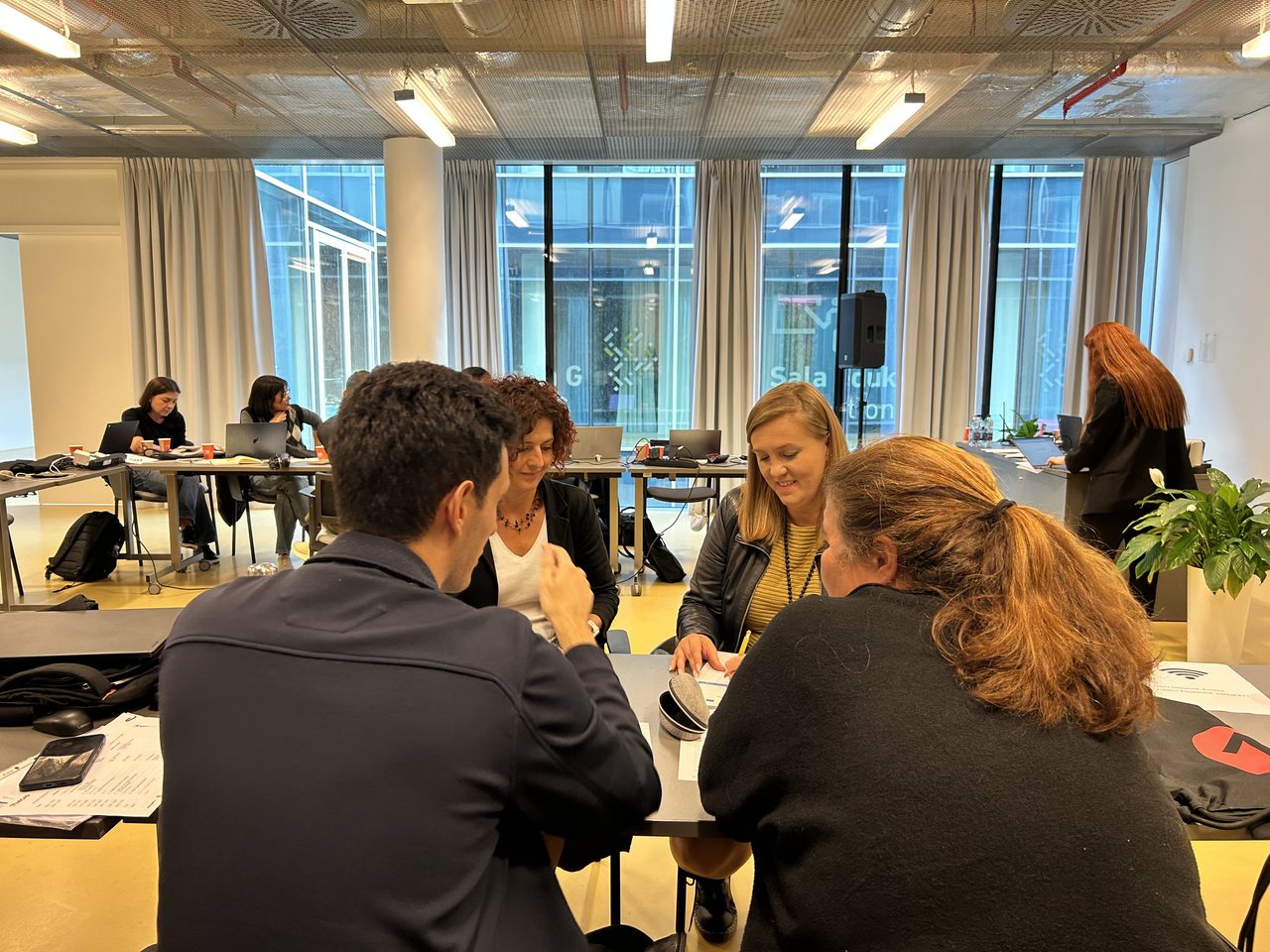
The exchanges highlighted just how differently the twin transition is taking shape across MICAD’s metropolitan areas. AMB is developing its digital roadmap around data governance, improved digital services, innovation and organisational transformation, with the ambition of laying the foundations for a broader metropolitan digital strategy. In Milan, attention is centred on the development of a Metropolitan Digital Agency that can coordinate municipalities, respond to their digital needs and provide shared services, while also addressing questions around participation and inclusion, particularly for smaller municipalities.
On the climate side, Chișinău is working to build a stronger evidence base across areas such as energy, mobility, buildings, waste and green space, while improving coordination across municipal departments and ensuring local ownership through consultation and co-creation. GZM, instead, is developing its roadmap around a closed-loop system for kitchen bio-waste from multi-family housing, linking citizen engagement and stakeholder cooperation with wider objectives on waste reduction, recycling and renewable energy generation.
This exchange offered partners the opportunity not only to reflect on their own roadmap development, but also to learn from different approaches across the consortium, identify common implementation issues and bring back concrete ideas for the next drafting phase.
The second day shifted the focus from peer learning to a more practical question: what does an inclusive metropolitan transition roadmap look like in practice?
During the Toolkit and Inclusivity Workshop, facilitated by MRI and HES-SO, partners explored inclusivity not as an additional layer to be added on climate or digital priorities have already been defined, but as a principle that should shape the roadmap from the beginning, from the identification of challenges and priorities, to stakeholder involvement, implementation and monitoring.
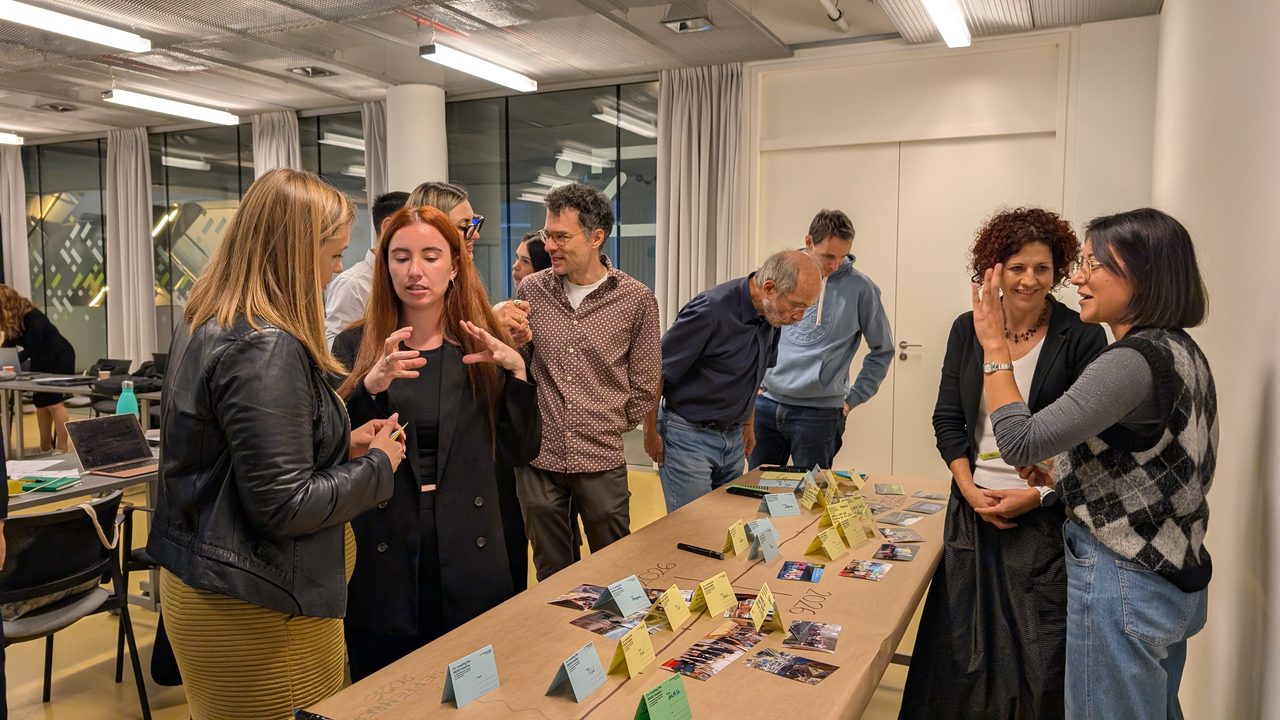
Working on their metropolitan area, partners applied an Inclusivity Check, to concrete actions already being developed within their roadmap. They considered who could benefit from or be disadvantaged by a proposed action, whose perspectives may still be missing, and what changes in design, governance or monitoring could make the intervention more inclusive. Each team worked towards identifying a concrete adjustment that could feed directly into the next roadmap draft.
The day continued with a dedicated workshop on Policy Recommendations, facilitated by ALDA, opening another important strand of work for the next phase of the project. Through an interactive fictional “Twin Transition Court”, partners were challenged to look at project results from the perspective of those who will eventually need to use them.
The exercise shifted the discussion from simply asking what should MICAD recommend? towards a more strategic question: how can the evidence and experiences generated by the project be translated into policy messages that respond to real decision-making needs?
In the last of the three intensive days, partners explored how GZM is advancing greener and more sustainable transports, before moving into an Operational Hub session on governance. Through a World Café exercise, conducted by ENoLL, the discussion focused on three key implementation challenges: building internal ownership, strengthening multi-level governance coordination, and developing meaningful monitoring systems.
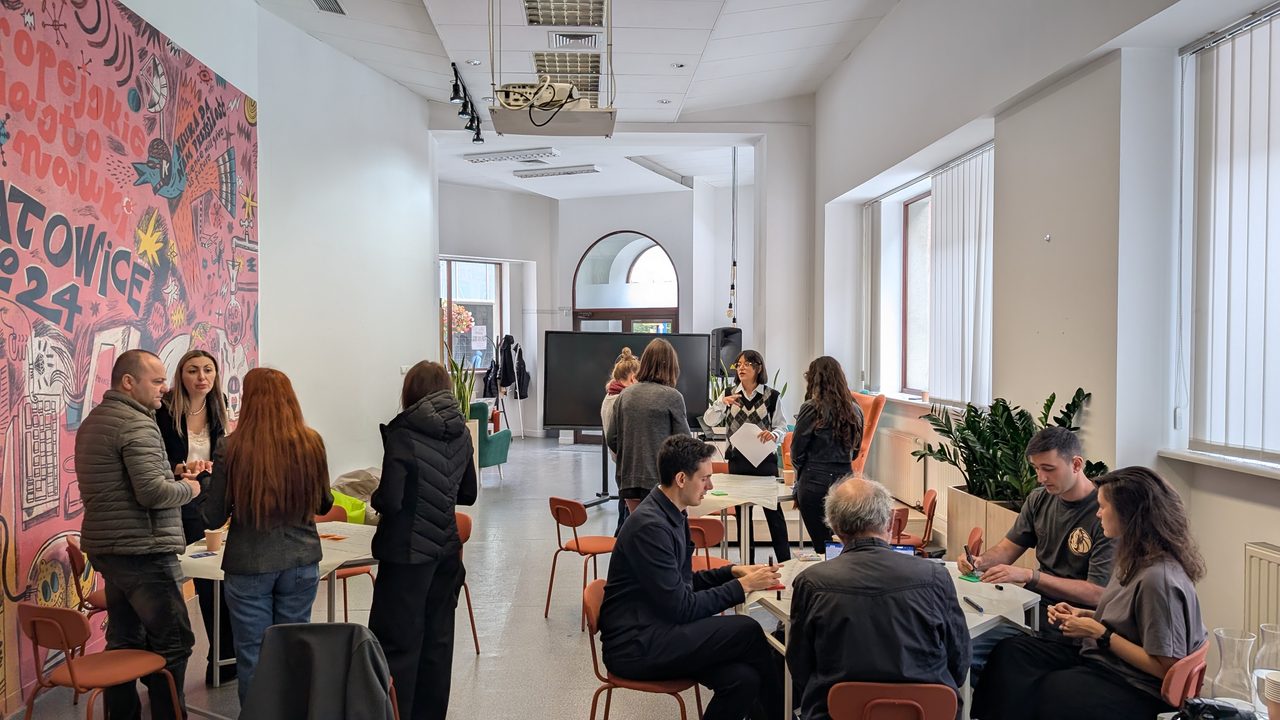
Learning also continued beyond the meeting room. The programme offered partners the opportunity to discover the wider Silesian context and connect MICAD’s themes with concrete local experiences.
A visit to the Silesian Museum offered insights into the history and transformation of the region. Partners then visited the Łukasiewicz Research Network – Institute of Artificial Intelligence and Cybersecurity in Katowice, where discussions turned to artificial intelligence, digital innovation and cybersecurity. An exchange with the University of Silesia in Katowice added another perspective, presenting its ambition to progressively transform its urban campus into a greener, more inclusive and people-oriented environment.
Together, these visits offered three complementary perspectives on transition: understanding the territorial legacy of the past, exploring the technologies shaping the present, and imagining how urban spaces can evolve in the future. They also provided a concrete backdrop for MICAD’s wider reflection on how climate and digital transitions interact with local identities, institutions and communities.
The Katowice General Assembly showed how the different strands of MICAD are increasingly coming together. As MICAD moves into its next phase, the task will be to consolidate these connections and ensure that the project’s roadmaps, tools and policy recommendations remain grounded in metropolitan realities, useful for practitioners and policymakers, and adaptable beyond the contexts in which they were first developed.
A warm thank you to GZM Metropolis for hosting the consortium and to all MICAD partners for three days of constructive exchange, openness and shared learning.
Stay tuned for next steps!
Be part of a transformative movement towards inclusive climate and digital solutions. Together, we can shape sustainable metropolitan futures.
