Smart & Green Cities for all: MICAD on stage in Barcelona
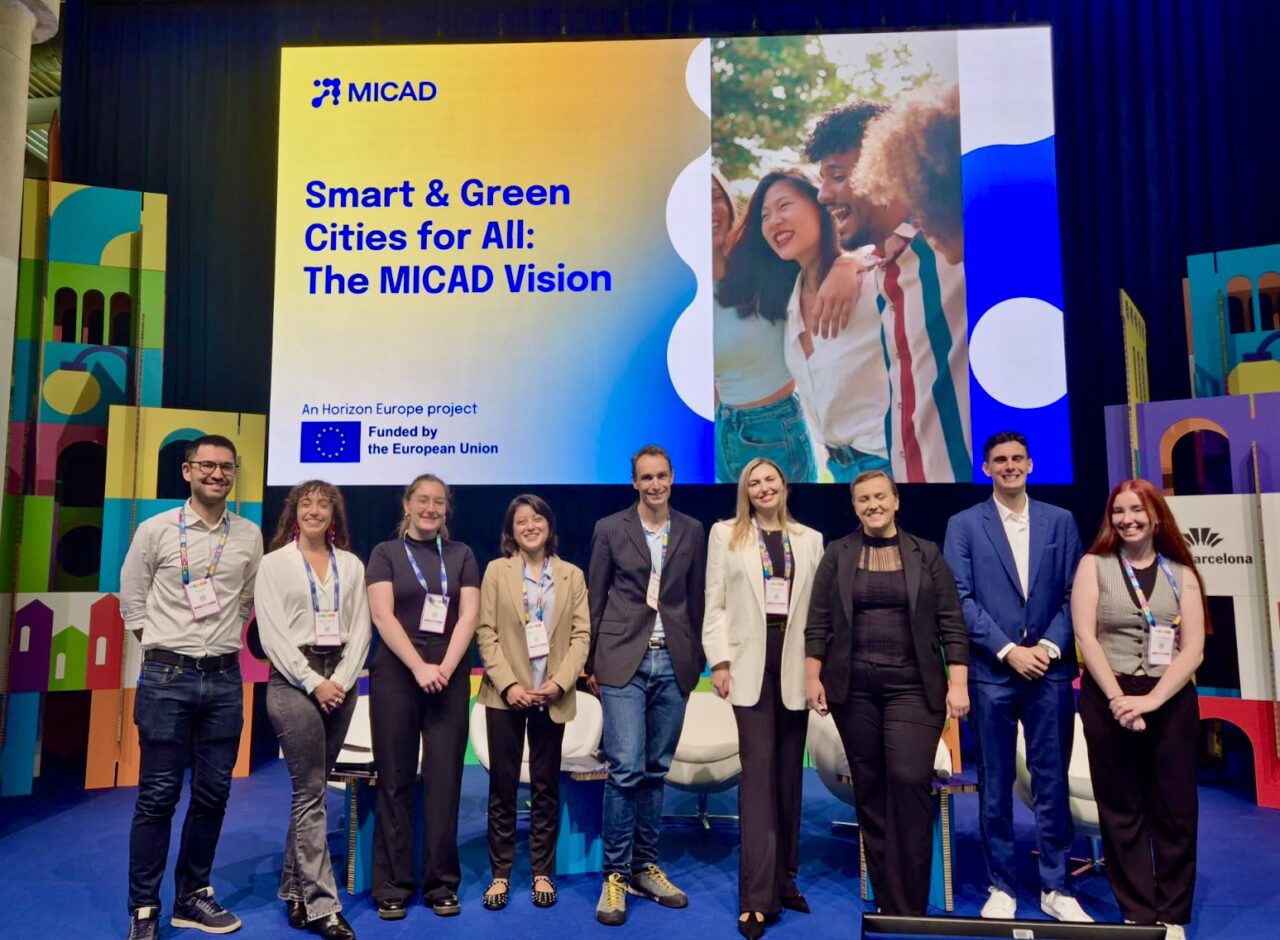

This November, at the Smart City Expo World Congress in Barcelona, MICAD partners presented the latest outcomes and methodology of the project.
Guided by the inspiring manifesto of the Century of Cities, the 2025 edition of the Expo celebrated the growing potential of cities to become living ecosystems of innovation, participation, and cooperation. The event brought together thousands of urban leaders, researchers, companies, and civil society actors, united by a shared vision: to make cities more connected, sustainable, and human-centered.
The session, “Smart & Green Cities for All: The MICAD Vision,” provided an opportunity to introduce the project share insights from ongoing work, the exploitable results and highlight case studies from some of the participating metropolitan areas.
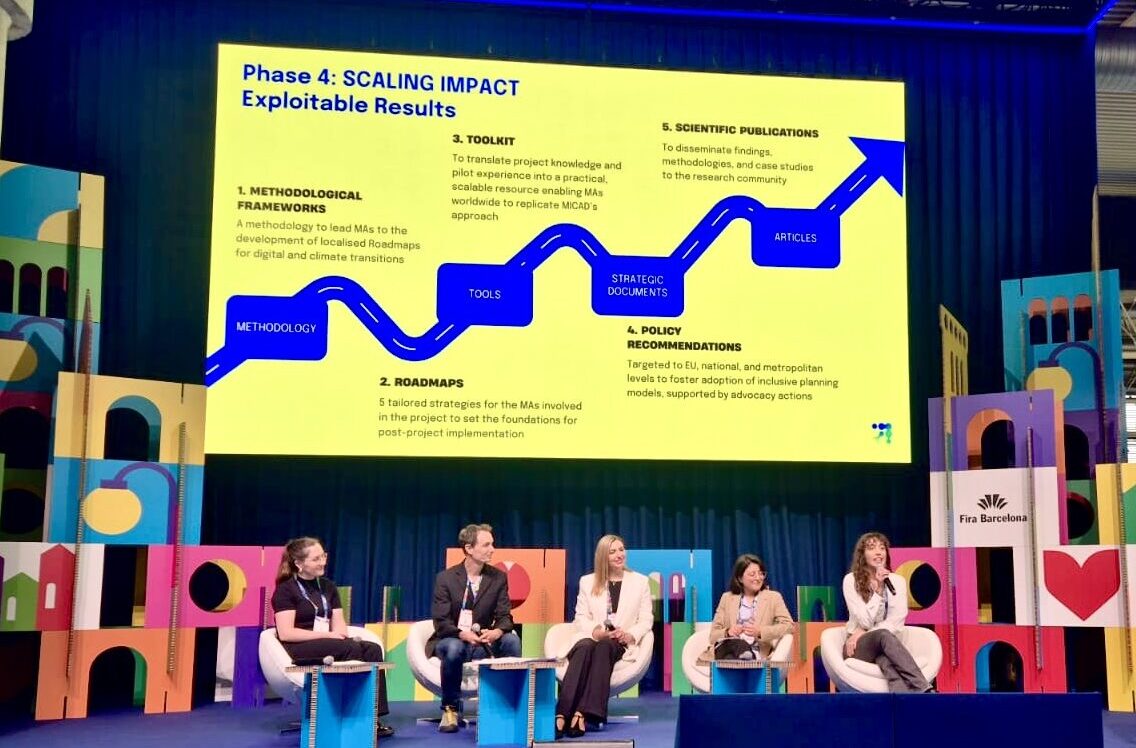
The objective of the session was to give participants a clear understanding of how MICAD supports inclusive metropolitan planning for digital and climate transitions, while gathering feedback to refine the project’s trajectory. We presented the work carried out across the project’s phases so far, showing how MICAD builds knowledge, tailors solutions, and develops practical instruments for metropolitan transitions. Over the past months, the project team has conducted extensive research through desk studies, questionnaires, and interviews to understand how digital and climate transitions can be made more inclusive at metropolitan scale. Drawing from examples across Europe, Latin America, and Africa, this research is now being translated into a comprehensive Toolkit that converts metropolitan expertise into practical guidance, helping local governments navigate governance barriers, identify opportunities, and design participatory and cooperative approaches for transition strategies.
Building on this research, cities participating in MICAD will be engaging in training, capacity building, and mutual learning activities to adapt insights to their local realities. Using living lab methodologies, they will be developing their Roadmaps for Inclusive Metropolitan Digital or Climate Transitions, which will guide future action. These roadmaps, alongside the project’s methodological framework, will later inform replication guidelines aimed at helping other metropolitan areas follow similar pathways. Throughout the process, a communication strategy ensures that MICAD’s work remains visible, accessible, and identifiable, supporting awareness, engagement, and inclusivity.

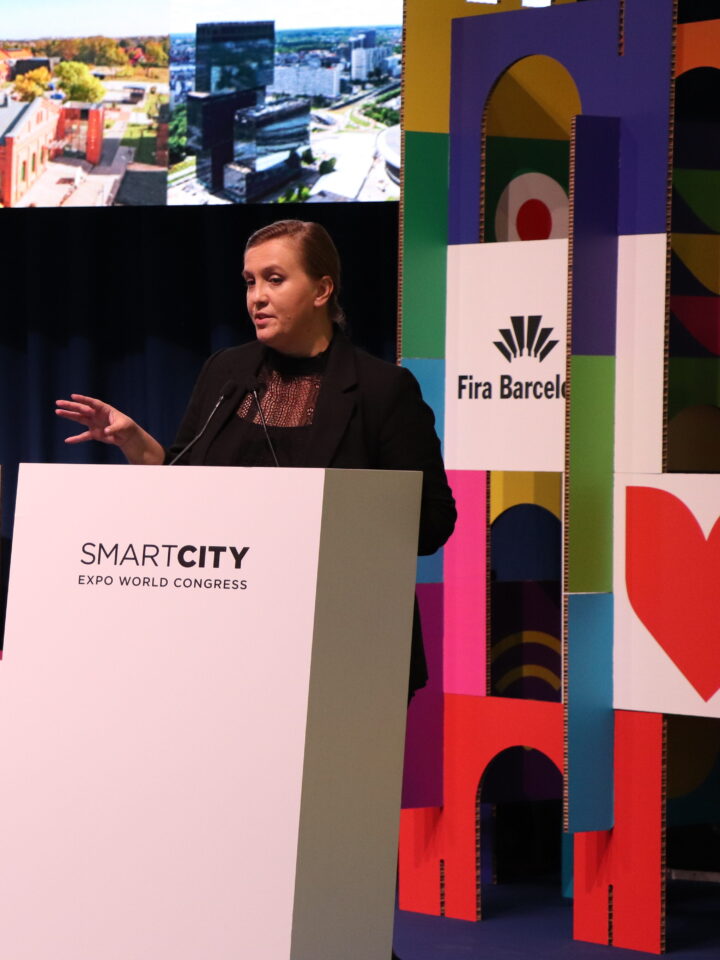
During the session, two emblematic case studies were presented. GZM Metropolis (Poland) is working toward climate neutrality by 2050, focusing on improved air quality, zero-emission mobility, circularity, and post-industrial revitalization. Through MICAD, GZM will be developing a climate transition roadmap to be adapted across 16 municipalities, strengthening equitable transformation and mobility initiatives. AMB Barcelona, meanwhile, showcased its vision of a digital metropolis focused on offering equal-quality services across a diverse territory. With an already extensive portfolio of digital services, the metropolitan administration is advancing data governance, expanding digital tools, and exploring new AI applications to better support residents and institutions.

The Expo was a catalyst for an urban historic transformation and represented a valuable occasion to showcase MICAD’s consortium commitment to supporting local and metropolitan authorities in making transitions that are not only smart, but also inclusive, democratic, and community-driven. As cities and metropolitan areas continue to lead the way towards a sustainable future, MICAD stands ready to accompany them in meeting global challenges, fostering participation, strengthening local democracy, and ensuring that no one is left behind in the Century of Cities.
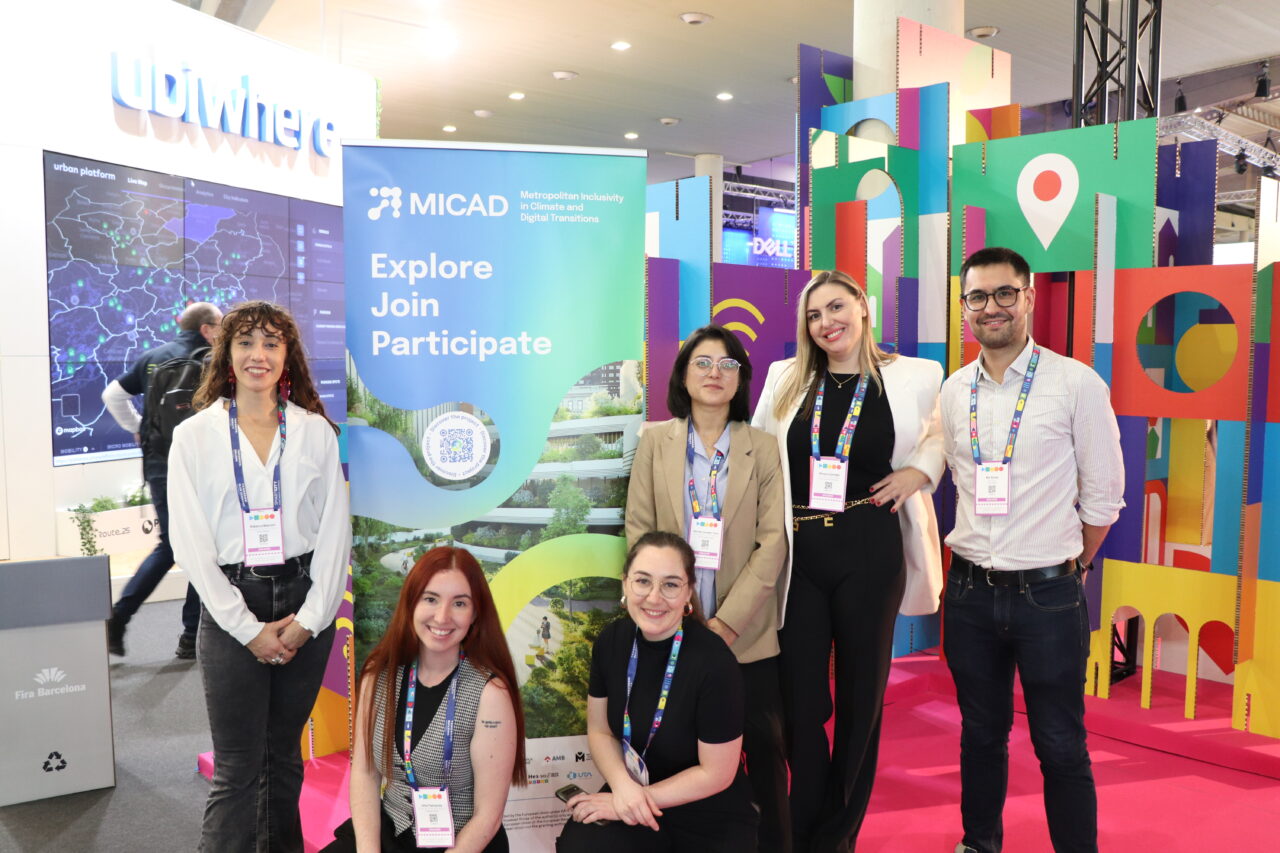
Be part of a transformative movement towards inclusive climate and digital solutions. Together, we can shape sustainable metropolitan futures.
