Housing the Urban Future: MICAD at ALDA’s General Assembly and Festival in Malta
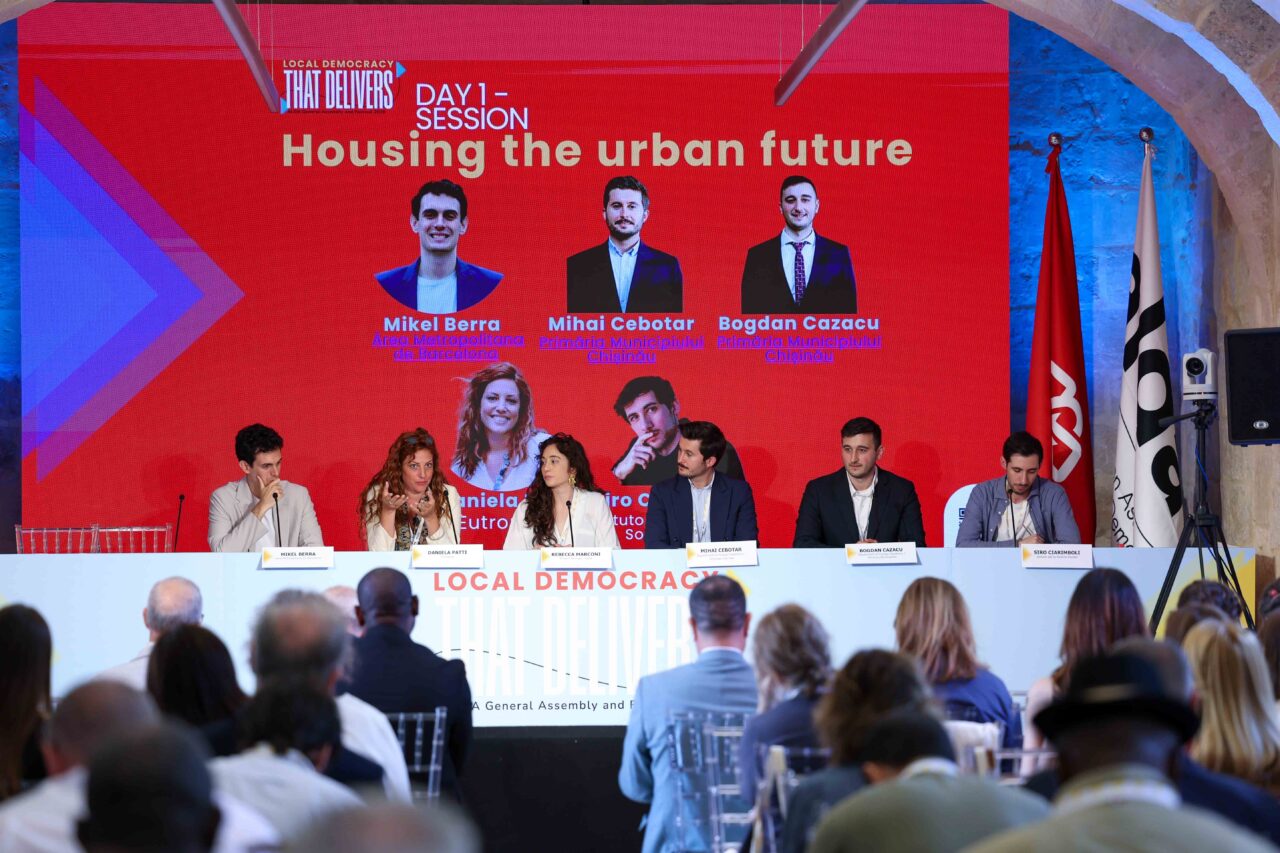

Experts, policymakers and practitioners gathered in Malta during the ALDA General Assembly and Festival to discuss how Housing Justice can strengthen Local Democracy and support inclusive climate and digital transitions across European metropolitan areas
As Europe advances towards its green and digital ambitions, cities and metropolitan areas are increasingly confronted with a fundamental question: how can the Twin Transition remain inclusive and improve people’s everyday lives?
This question was at the centre of the roundtable “Housing the Urban Future: Housing Justice and Local Democracy in the Framework of the Twin Transition”, organised by ALDA Territorial and Local Development Hub during the General Assembly and Festival in Malta, on 12 May within the framework of the Horizon Europe project MICAD – Metropolitan Inclusivity in Climate and Digital Transitions.
Bringing together representatives from metropolitan authorities, research institutions, civil society organisations and housing experts, the event explored how housing has become one of the most pressing challenges facing European territories. Rising housing costs, energy poverty, demographic changes, tourism and migration pressure and unequal access to services are reshaping urban landscapes and testing the capacity of local governments to ensure social inclusion while guaranteeing the right to affordable housing.
Opening the discussion, Daniela Ciaffi, Professor of Urban Sociology at Politecnico di Torino and Vice-President of Labsus, andCo-Chair of ALDA’s Territorial and Local Development Hub, challenged traditional understandings of housing policy. Rather than being solely a top-down responsibility of public authorities, housing governance increasingly requires the active participation of citizens, informal groups and third-sector organisations.
Drawing on the experience of collaboration pacts developed in Italy, Prof. Ciaffi highlighted how caring communities and participatory approaches can strengthen local democracy and contribute to more inclusive housing policies. Housing, therefore, becomes not only a matter of infrastructure and planning but also a space where democratic innovation can flourish.
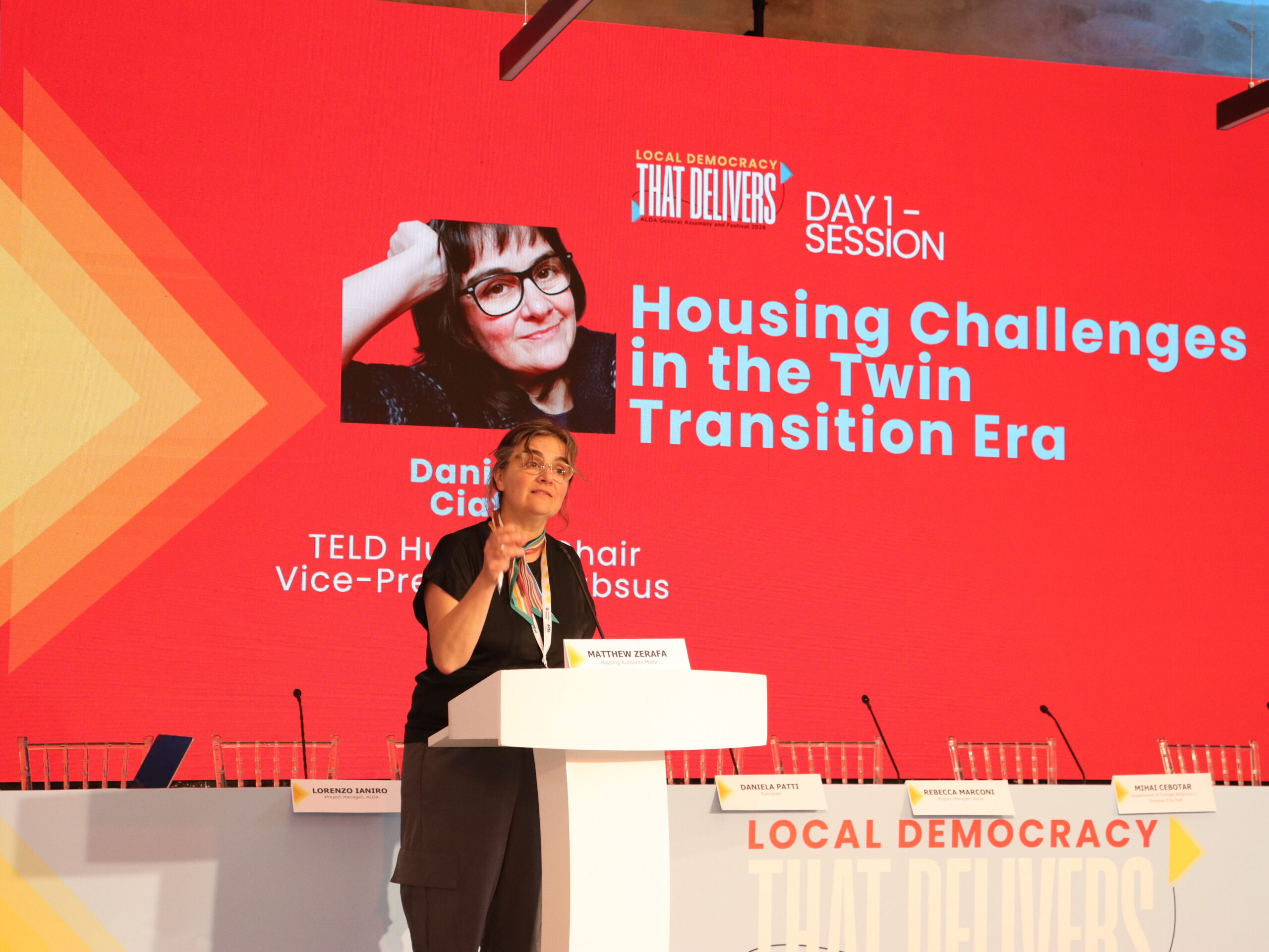
Introducing the MICAD project, Rebecca Marconi, Project Manager at ALDA, underlined the strategic role of metropolitan areas in addressing housing challenges. As governance levels that connect local realities with broader territorial planning, metropolitan authorities are in a strategic yet challenging position to tackle the green and digital transition whilst ensuring social inclusion that also takes housing into account.
Metropolitan policies interventions are called to pay attention to affordability, flexibility, and adaptability of people’s culture and needs in order to safeguard sustainability objectives, sociocultural norms and equitable resource allocation.
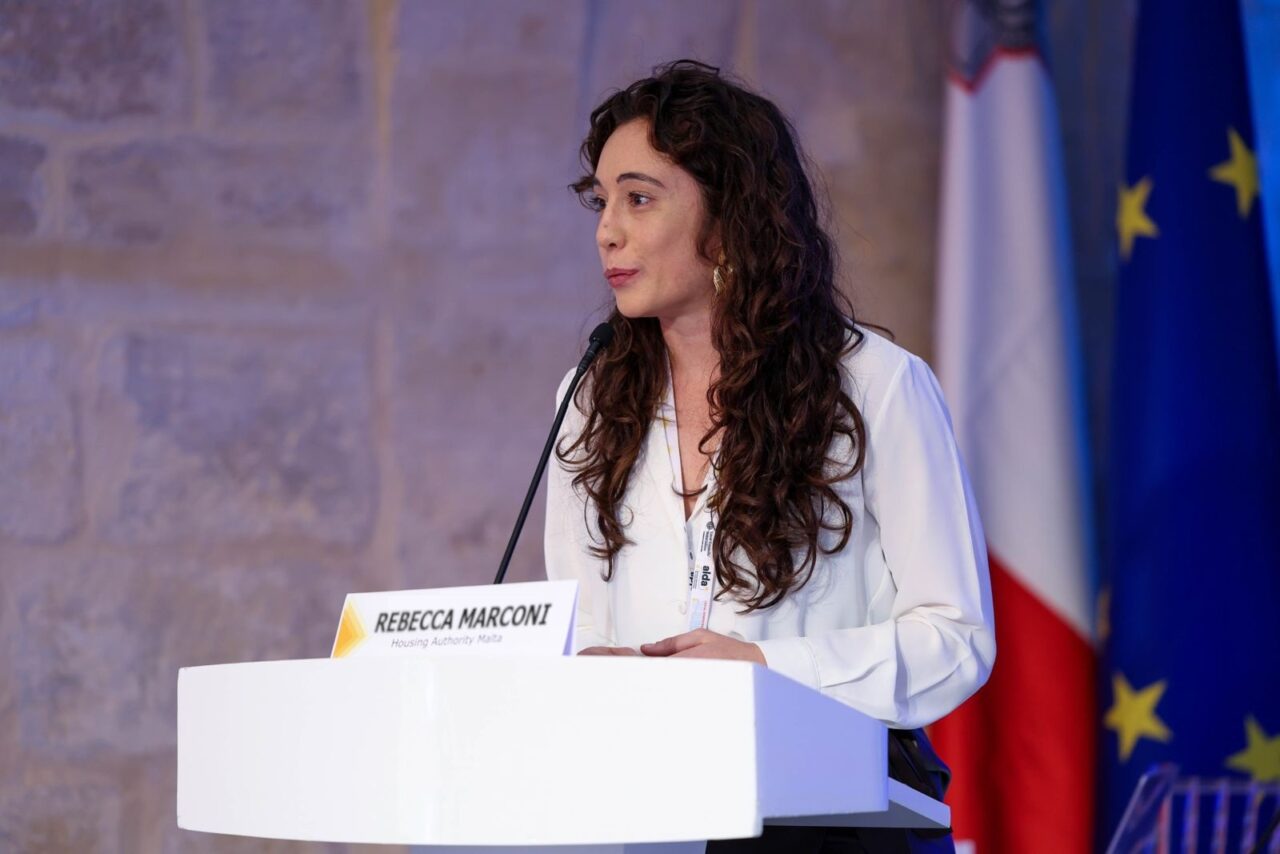
Housing is one of the areas where social inequalities become most visible and tangible, as highlighted by Lorenzo Ianiro, Project Manager at ALDA. It is often the place where access to opportunities, services and rights either begins or is denied. Subsidiarity, civic engagement and collaborative governance should be key pillars to build upon.
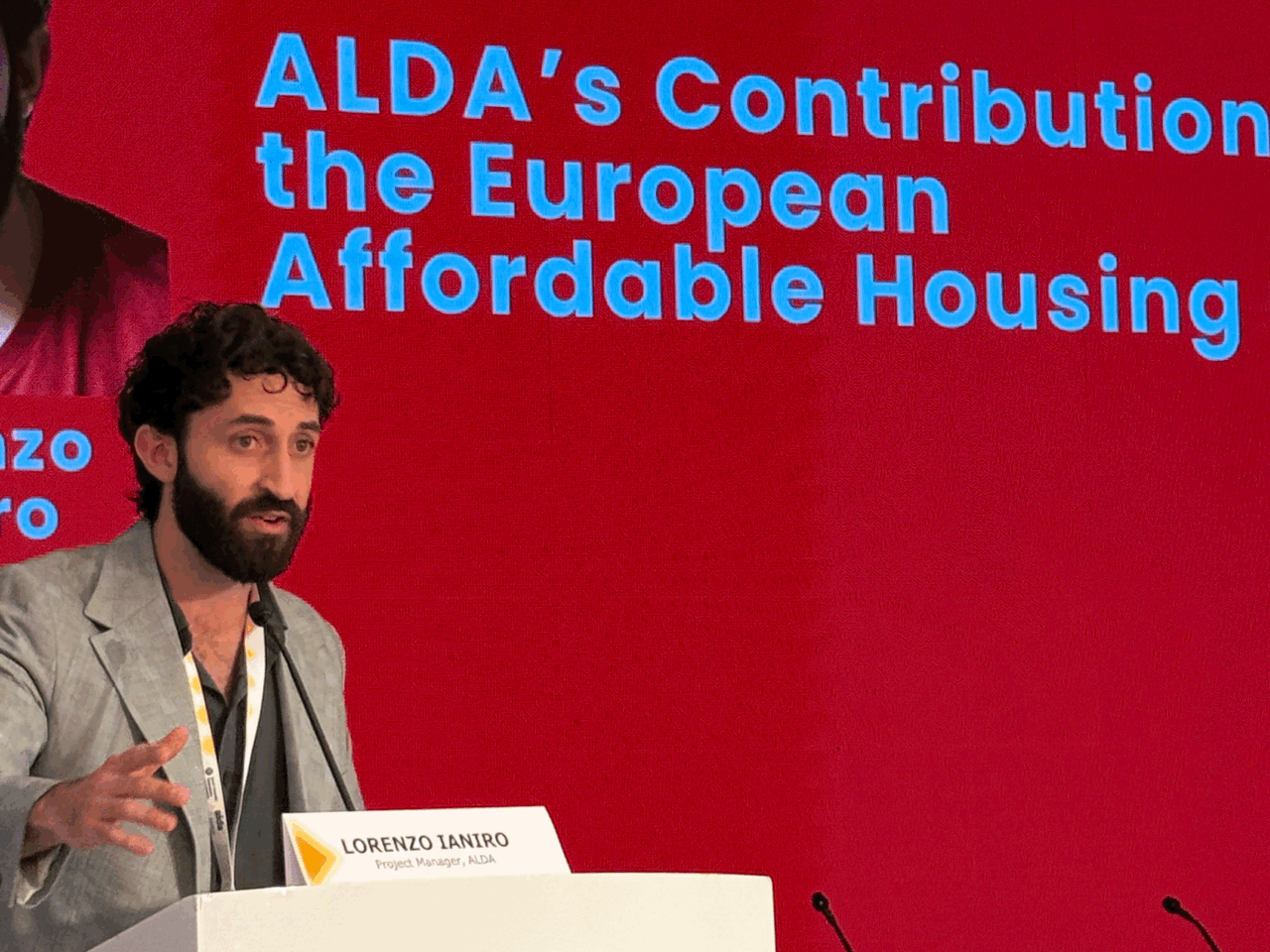
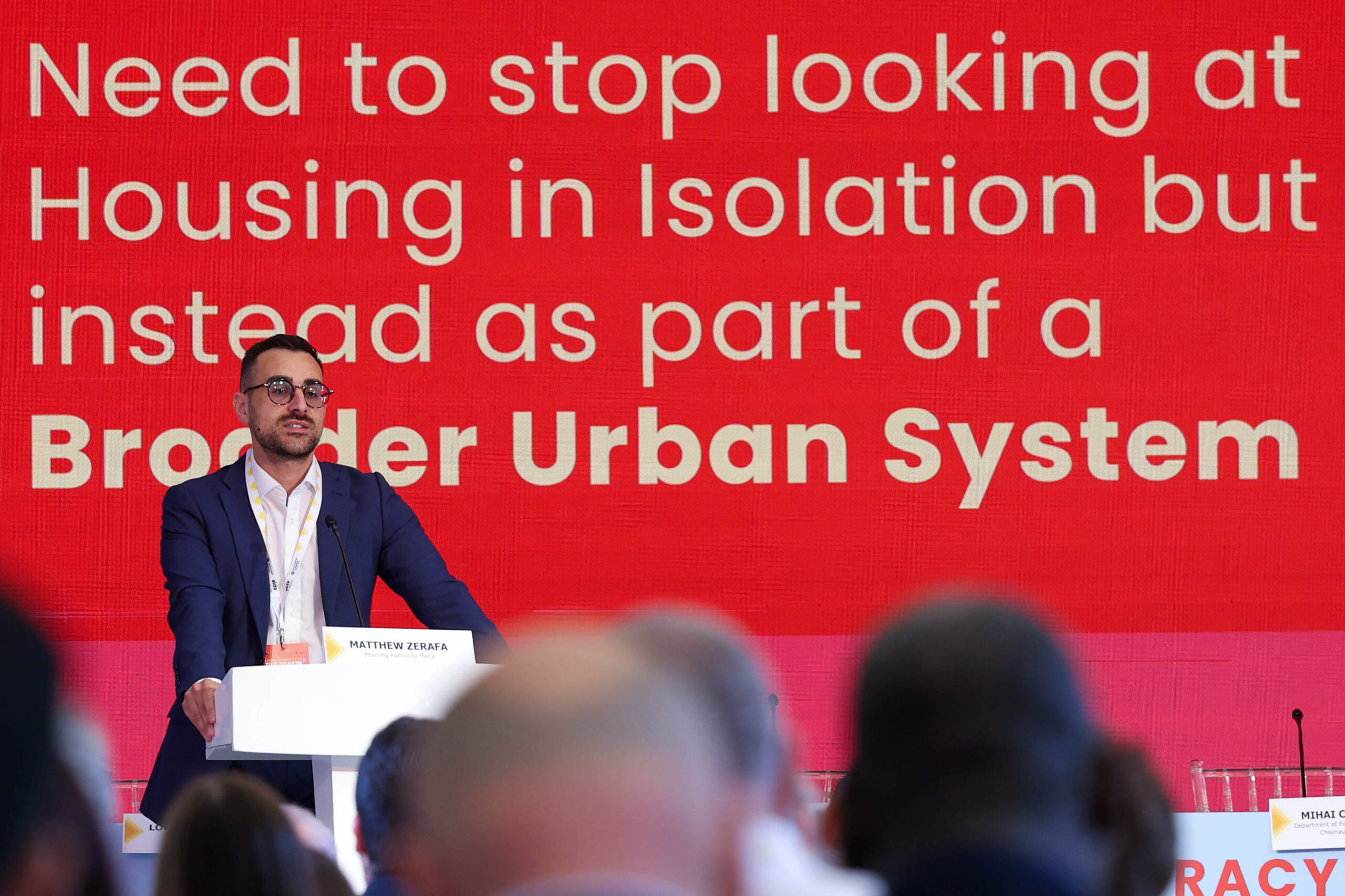
The keynote speech by Matthew Zerafa, CEO of the Malta Housing Authority and member of the European Commission’s Housing Advisory Board, provided valuable insights into Malta’s housing landscape.
The country’s strong economic growth, increasing tourism flows and growing demand for accommodation have generated significant pressure on housing markets and infrastructure, contributing to a substantial rise in property prices. In response, Malta has implemented a range of targeted measures, including support schemes for vulnerable groups, rent subsidies and innovative housing models that promote community living and social cohesion.
Zerafa stressed that housing cannot be addressed in isolation. Effective housing policies must be connected to mobility, employment opportunities, environmental sustainability and community well-being. While common principles are needed at European level, solutions must remain sensitive to local contexts and territorial specificities.
The discussion then turned to experiences emerging from across Europe, many of them developed within the MICAD project metropolitan territories.
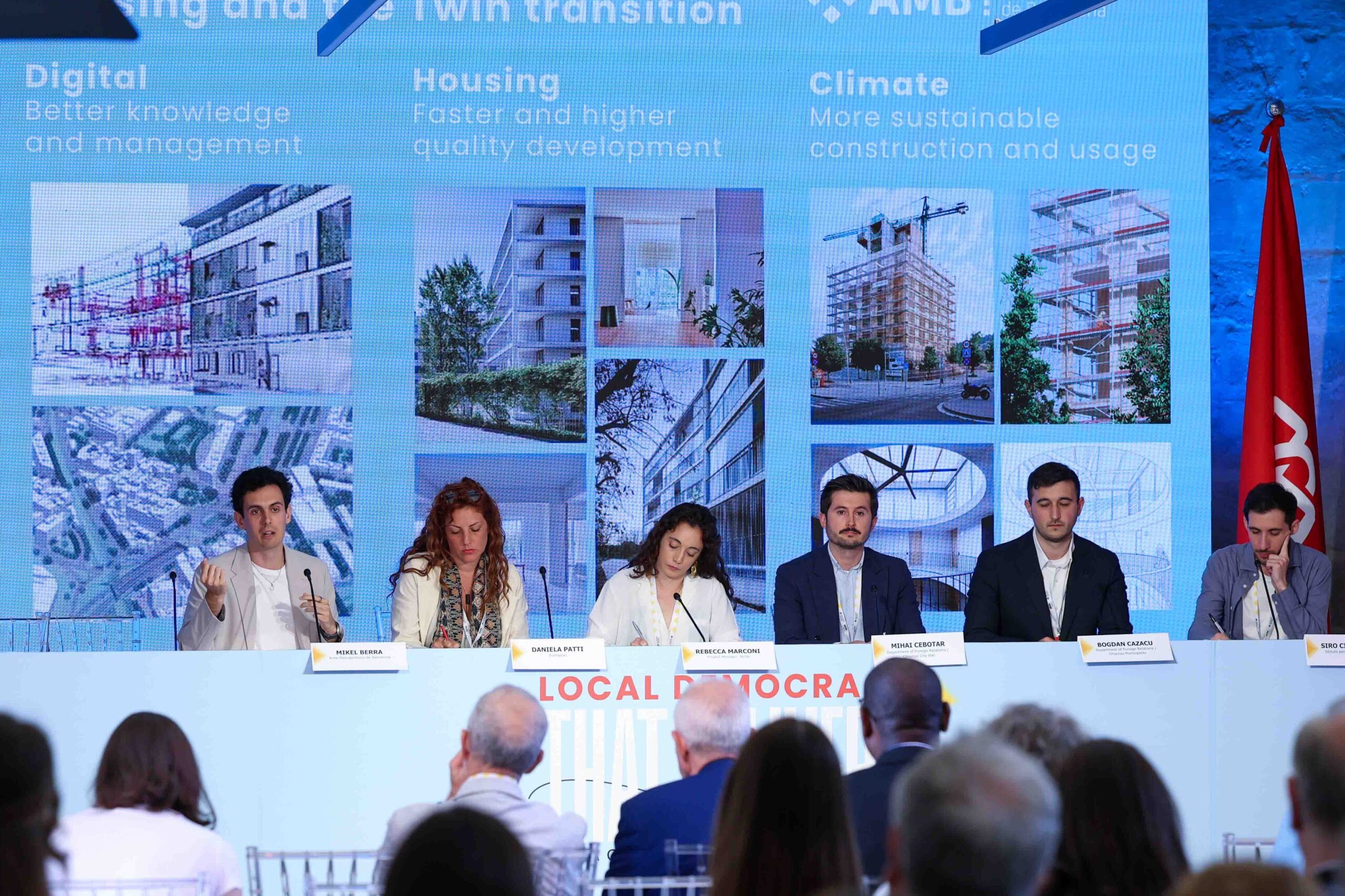
Representing the Àrea Metropolitana de Barcelona, Mikel Berra highlighted the challenges associated with affordable housing provision, digitalisation and climate adaptation. Barcelona’s experience demonstrates the growing importance of digital tools, including sensors and three-dimensional modelling, to support evidence-based decision-making and metropolitan planning. Beyond the construction of new housing, data-driven approaches are also helping authorities prioritise housing restoration and renovation.

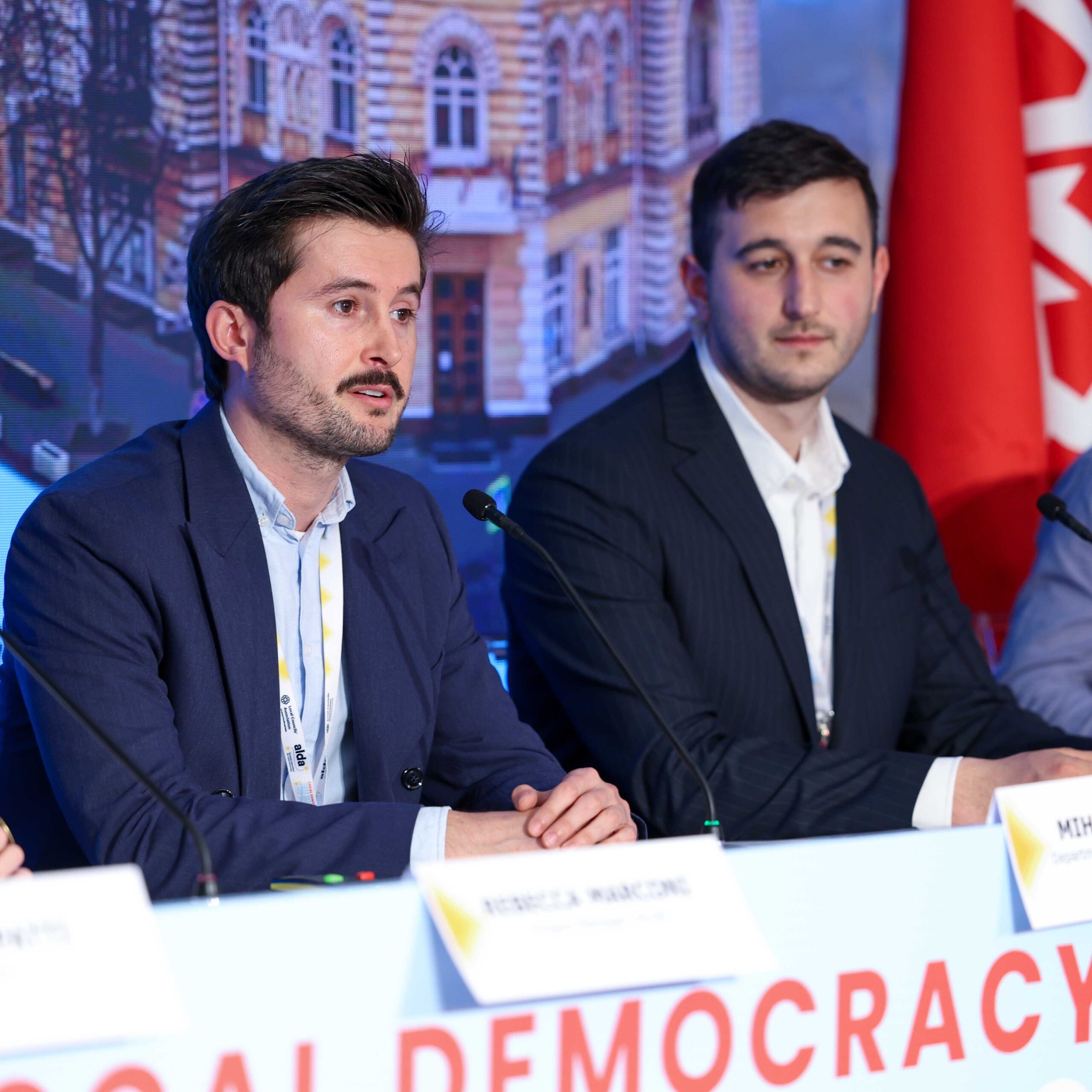
From Chișinău, Mihai Cebotar and Bogdan Cazacu presented a context marked by rapid urbanisation, migration pressures and energy challenges, where housing is not only a social issue but also an economic and urban one. Indeed, housing demand has increased significantly due to internal migration and the arrival of thousands of refugees from Ukraine. In response, local authorities are investing in social housing solutions by renovating old buildings and energy efficiency measures while also improving mobility infrastructure and exploring the integration of artificial intelligence into urban planning processes.
Daniela Patti from Eutropian emphasised the need to rethink housing through the lenses of economic justice, environmental sustainability and citizen participation. She advocated for stronger collaboration between public authorities, private actors and communities, highlighting approaches such as co-housing and community land trusts as promising tools to counter speculation and ensure long-term affordability.

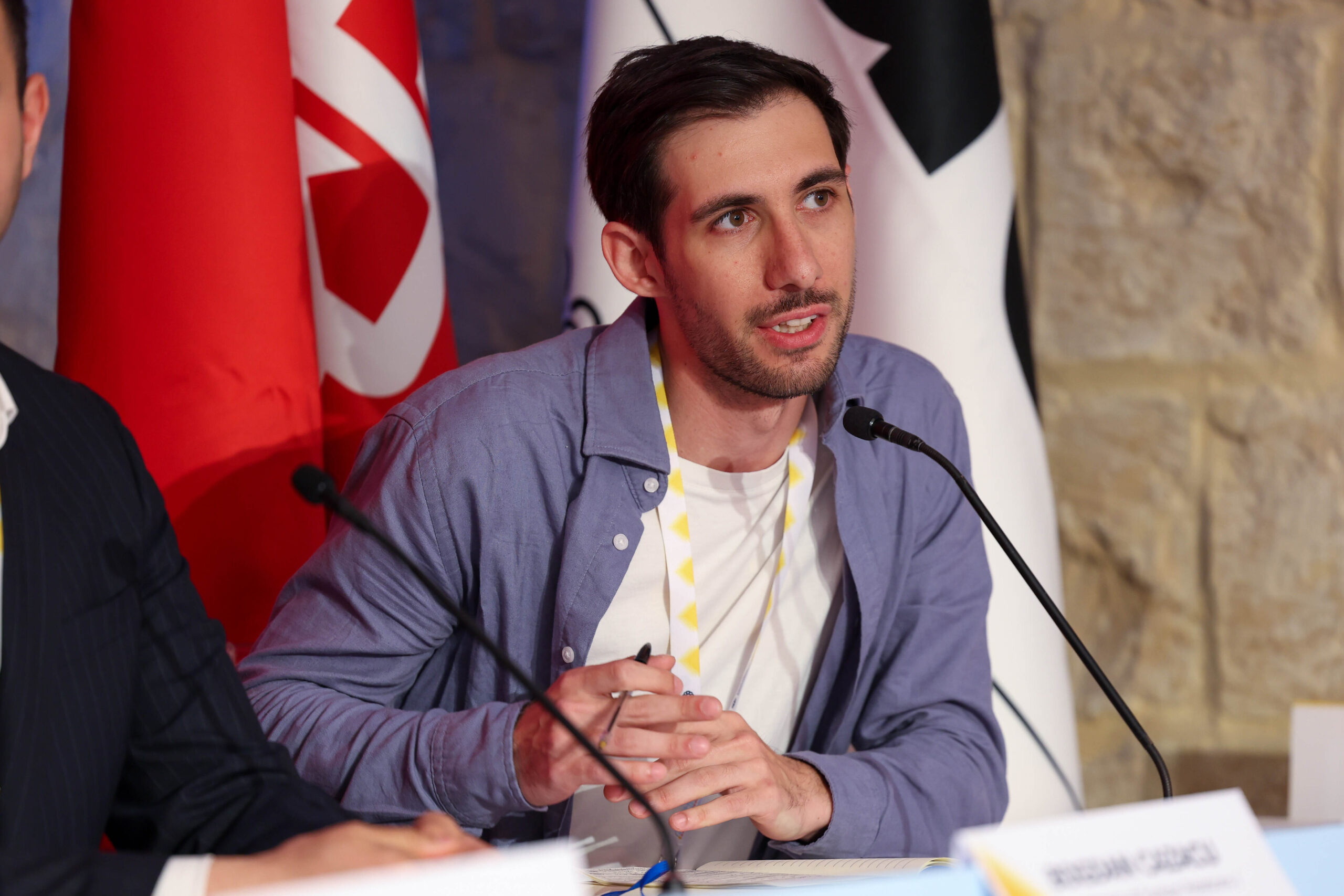
Finally, Siro Ciarimboli from the Institute for Social Research (IRS) presented the experience of Salus Space in Bologna, an innovative example of participatory urban regeneration. Developed through a partnership involving the municipality and sixteen local organisations, the initiative combines housing, social services, culture and community well-being. A particularly innovative feature of the project has been the direct involvement of citizens in evaluating its impacts, demonstrating how participation can continue beyond project design and implementation.
The roundtable revealed broad consensus on several key priorities for addressing housing challenges in the context of the Twin Transition in metropolitan areas.
First, housing challenges increasingly transcend municipal boundaries and require metropolitan-scale responses. Effective solutions depend on coordination across levels of government, sectors and territories.
Second, digital tools and data are becoming essential resources for understanding housing dynamics and supporting strategic planning. However, technology alone is not enough. Data-driven governance must be complemented by meaningful citizen participation to ensure that housing policies reflect local needs and lived experiences.
Third, the climate transition offers an opportunity to improve housing quality through energy-efficient renovation, sustainable mobility and integrated urban development. At the same time, climate policies must be designed carefully to avoid reinforcing existing inequalities.
Finally, participants highlighted the importance of multi-stakeholder collaboration. The complexity of housing challenges requires alliances between public authorities, civil society, academia and the private sector, reflecting the Quadruple Helix approach promoted by MICAD and ALDA’s Territorial and Local Development Hub.
The Malta roundtable reaffirmed that housing is much more than a policy sector: it is a cornerstone of social inclusion, territorial cohesion and democratic participation.
As metropolitan areas continue to navigate the challenges of climate change, digital transformation and growing social pressures, housing will remain a crucial arena for testing innovative governance approaches. The experiences shared during the event demonstrated that inclusive metropolitan governance is not only possible but necessary to ensure that the Twin Transition delivers benefits for all.
Through initiatives such as MICAD, European metropolitan areas are building valuable knowledge and practical solutions that can contribute to a more just, sustainable and democratic urban future.
Be part of a transformative movement towards inclusive climate and digital solutions. Together, we can shape sustainable metropolitan futures.
